
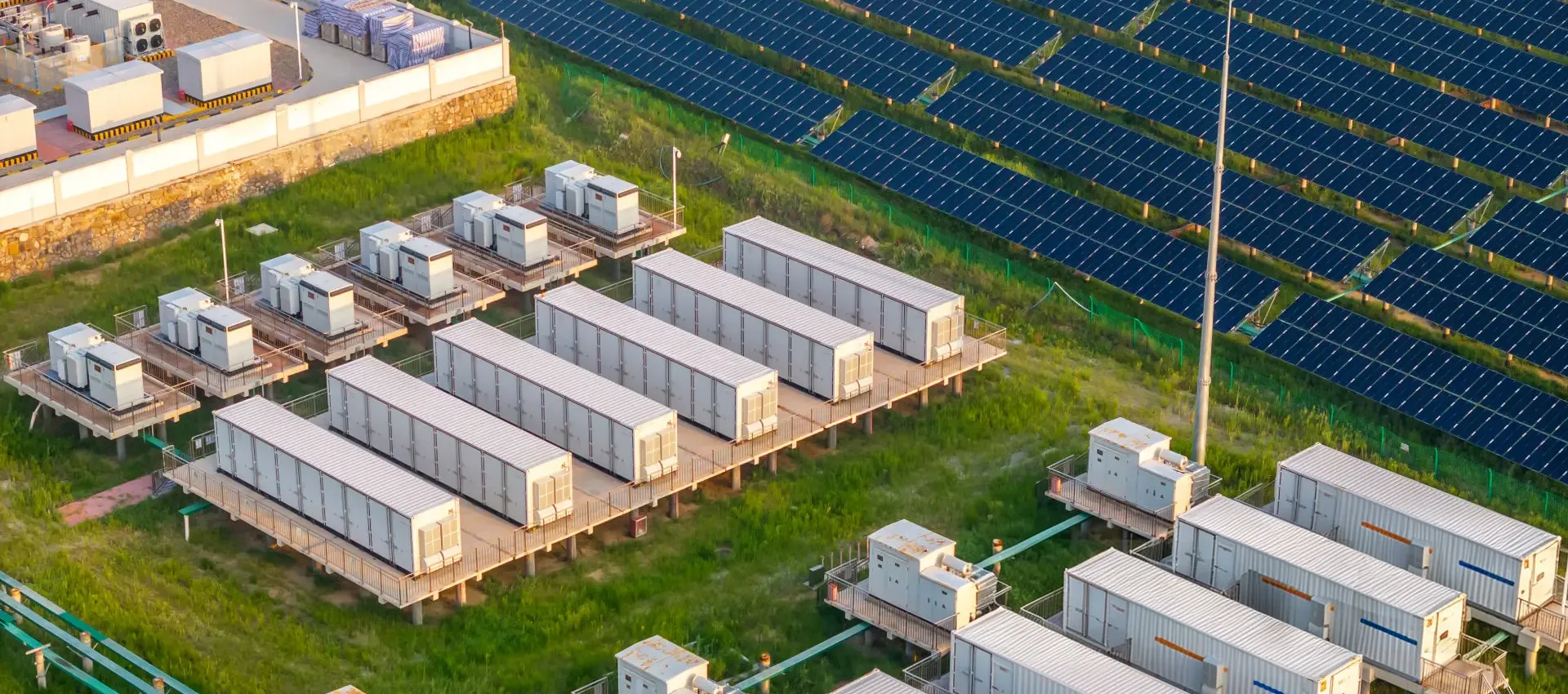
END-TO-END ENERGY STORAGE SOLUTIONS
Battery Energy Storage Solutions for Every C&I and Utility Application
SUNPAL ESS designs battery energy storage solutions for peak shaving, demand charge management, backup power, PV self-consumption, microgrids and grid stability support. From 64 kWh C&I BESS projects to 5+ MWh utility-scale energy storage systems, our engineers match each solution to your load profile, grid conditions, tariff structure and site requirements.
-
8
Application Scenarios
-
64 kWh – 5+ MWh
Capacity Range
-
150 +
Countries Served
-
22 GWh
Annual Capacity
[ 8 APPLICATION SCENARIOS ]
Which solution matches your energy needs?
Explore each application to discover the ideal system architecture, core advantages, and recommended solutions.
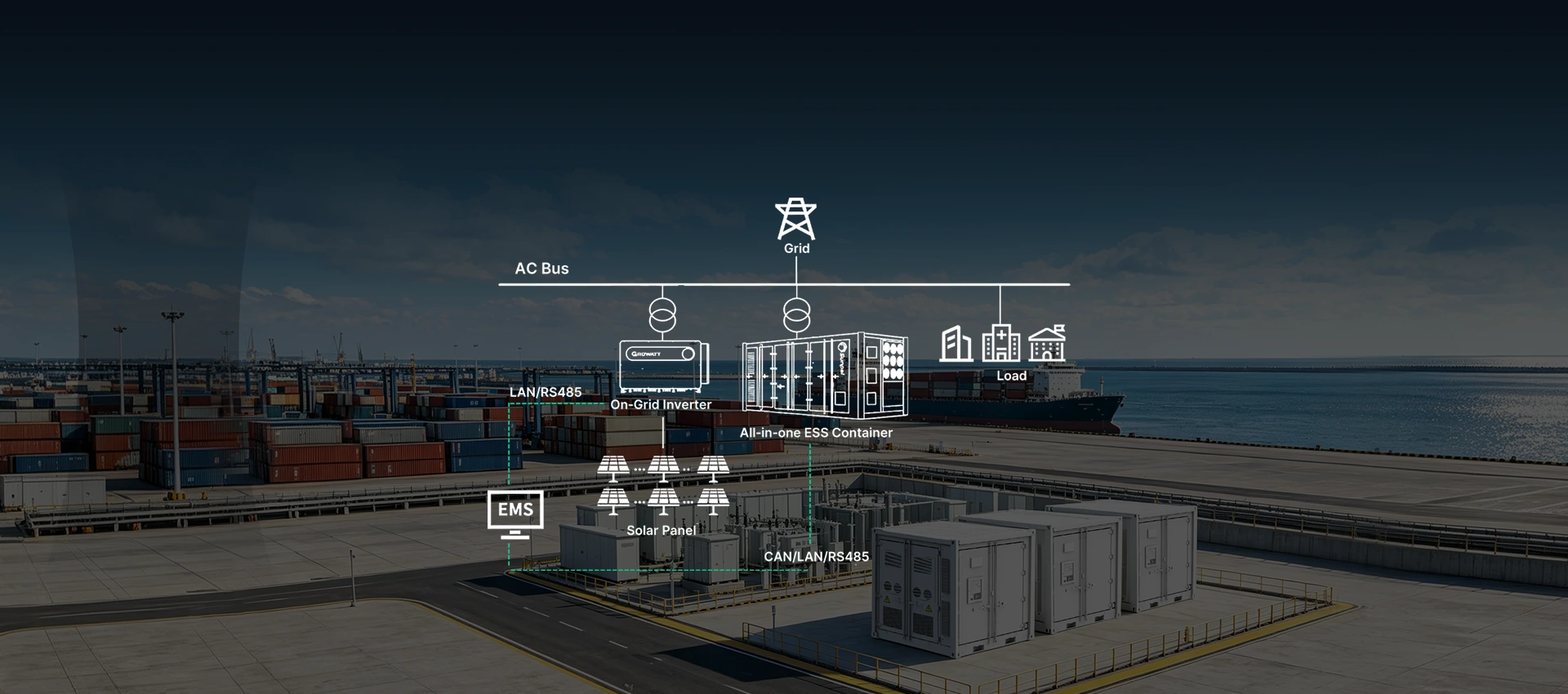
For factories, industrial parks and commercial facilities with high daytime load peaks, SUNPAL ESS peak shaving battery energy storage systems discharge during peak-demand periods to reduce grid draw, smooth load curves and lower electricity costs. By alleviating grid pressure during peak hours, C&I BESS for peak shaving can also help delay transformer or transmission line upgrades, reduce outage risk, improve voltage stability and support better renewable energy integration.
-

Project Cases: 124 Projects Installed
-

Capacity Range: 0.5 – 5 MWh+
-

Exporting Countries: 79
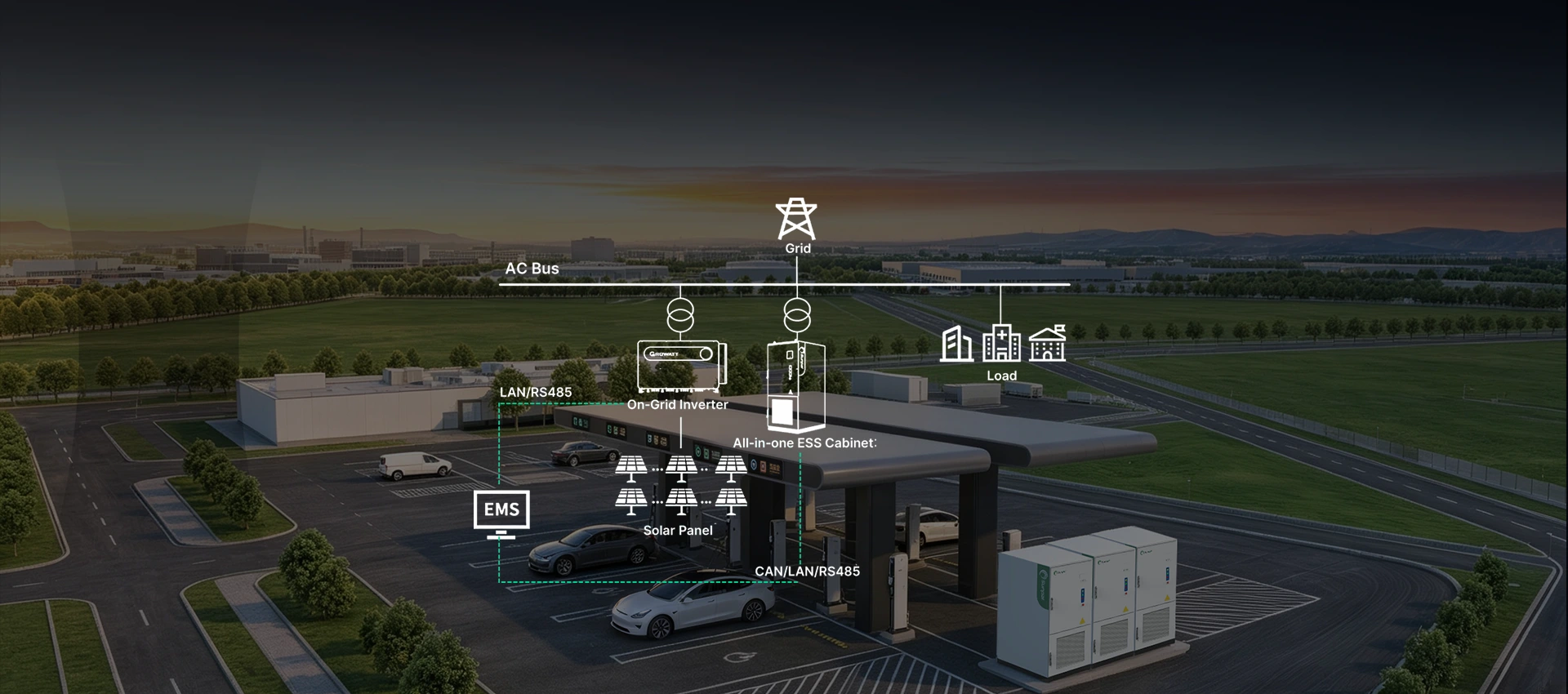
When EV charging stations, factories, data centers or weak-grid sites face sudden load surges beyond transformer capacity or safety thresholds, SUNPAL ESS dynamic power boosting BESS delivers high-power output within milliseconds to work with the grid and support critical loads. This battery energy storage system for weak grid support helps avoid or delay costly transformer expansion, reduce capacity charges and improve power supply reliability and voltage quality.
-
Project Cases: 157 Projects Installed
-
Capacity Range: 0.2-2 MWh+
-
Exporting Countries: 94
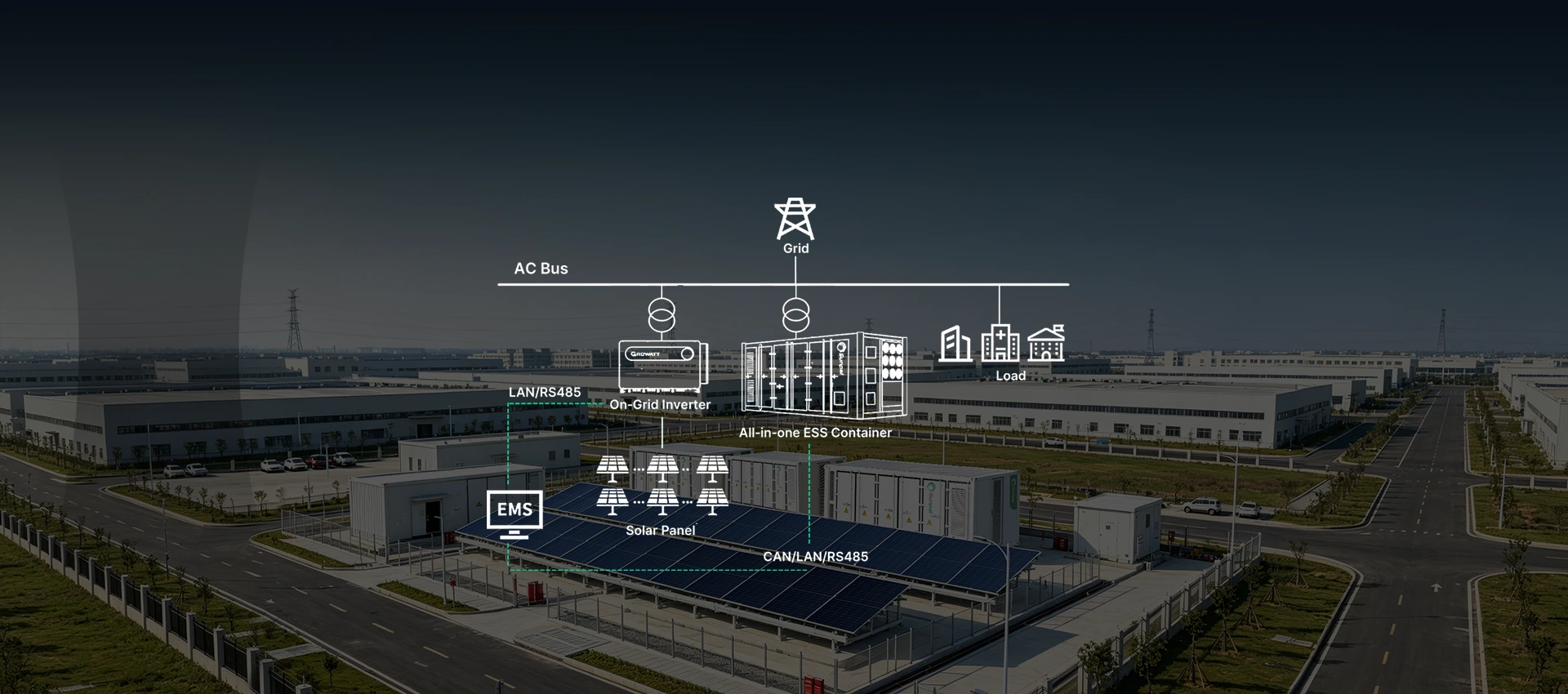
In regions with time-of-use electricity tariffs, SUNPAL ESS peak-valley arbitrage energy storage systems charge during low-price valley or shoulder periods and discharge during high-price peak periods, helping commercial and industrial users reduce unit electricity costs and improve project ROI. The system supports adaptive charge/discharge strategy switching, reverse current prevention, load adaptation, battery degradation control and thermal management for stable long-term operation.
-
Project Cases: 148 Projects Installed
-
Capacity Range: 1 – 10MWh+
-
Exporting Countries: 117
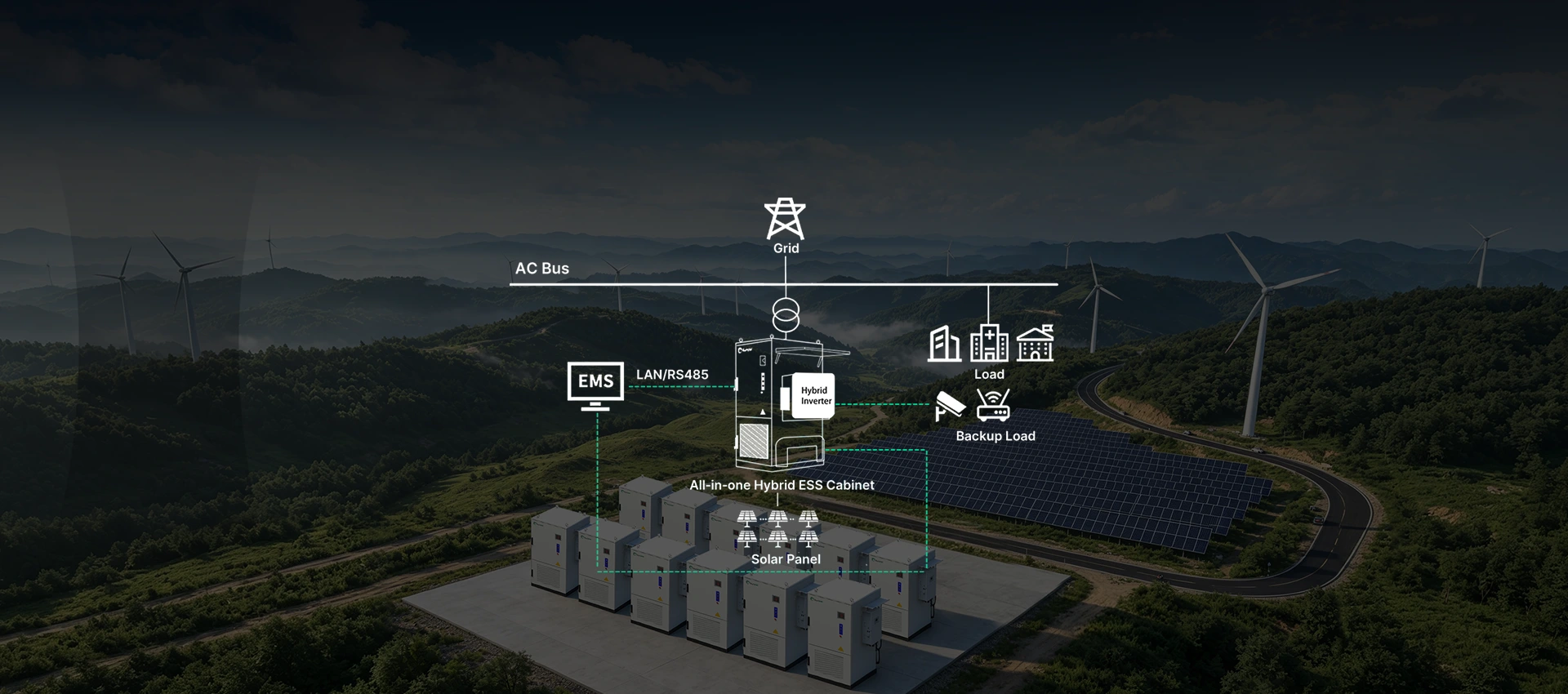
For factories, hospitals, data centers, telecom sites and commercial buildings, SUNPAL ESS backup power battery energy storage systems support power continuity when grid outages or voltage fluctuations occur. Under normal grid conditions, the system can operate in grid-connected mode for arbitrage or demand management; during grid failure, STS isolates the main grid to prevent reverse power flow, while PCS switches to V/F mode so the BESS can act as a voltage source for critical loads.
-
Project Cases: 148 Projects Installed
-
Capacity Range: 0.5 – 10MWh+
-
Exporting Countries: 108
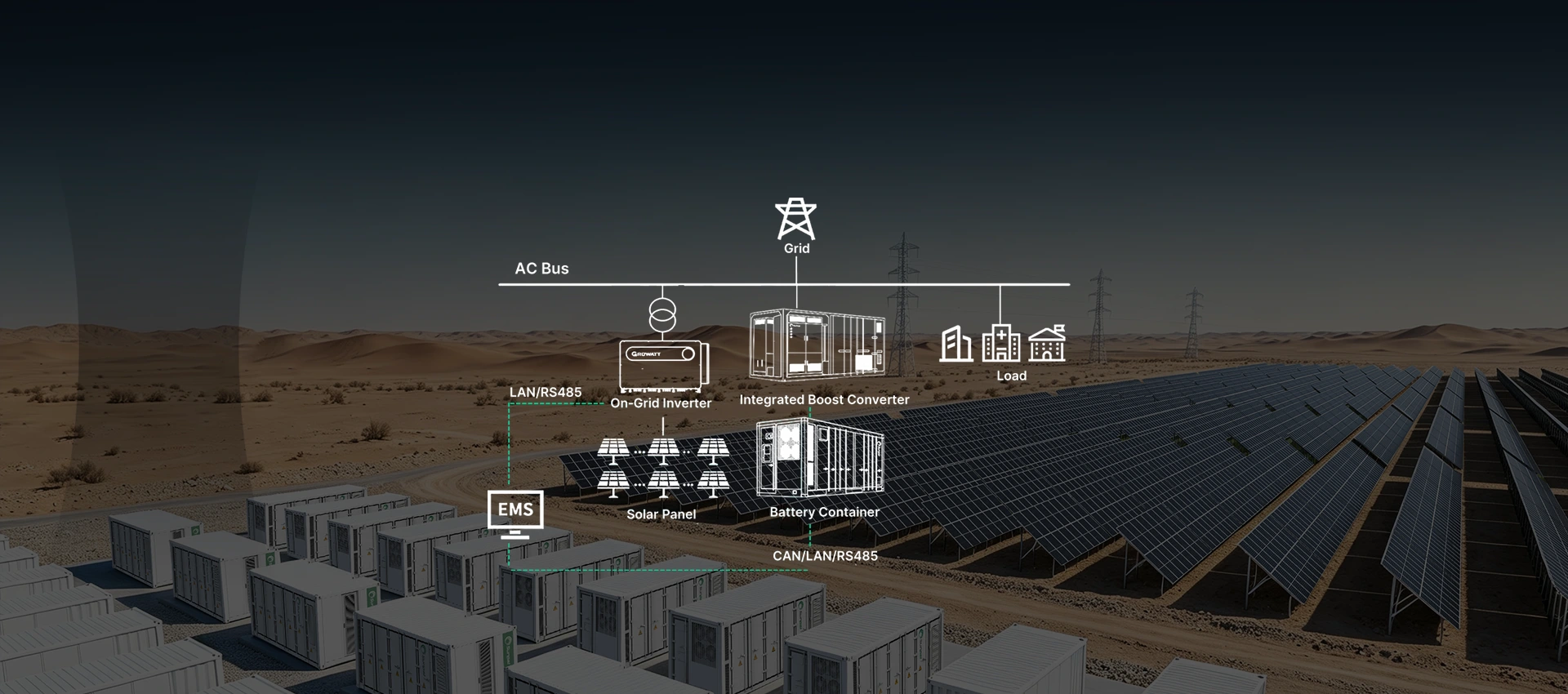
For grid-side, renewable energy and utility-scale projects, SUNPAL ESS grid stability battery energy storage systems support frequency regulation, voltage stabilization, renewable output smoothing and fast response services. In high-power C&I microgrids and front-of-the-meter BESS projects, the system can provide primary frequency support, fast frequency response, reactive power compensation, dynamic virtual inertia and black start capability to improve power quality and grid reliability.
-
Project Cases: 197 Projects Installed
-
Capacity Range: 1-20 +MWh
-
Exporting Countries: 153
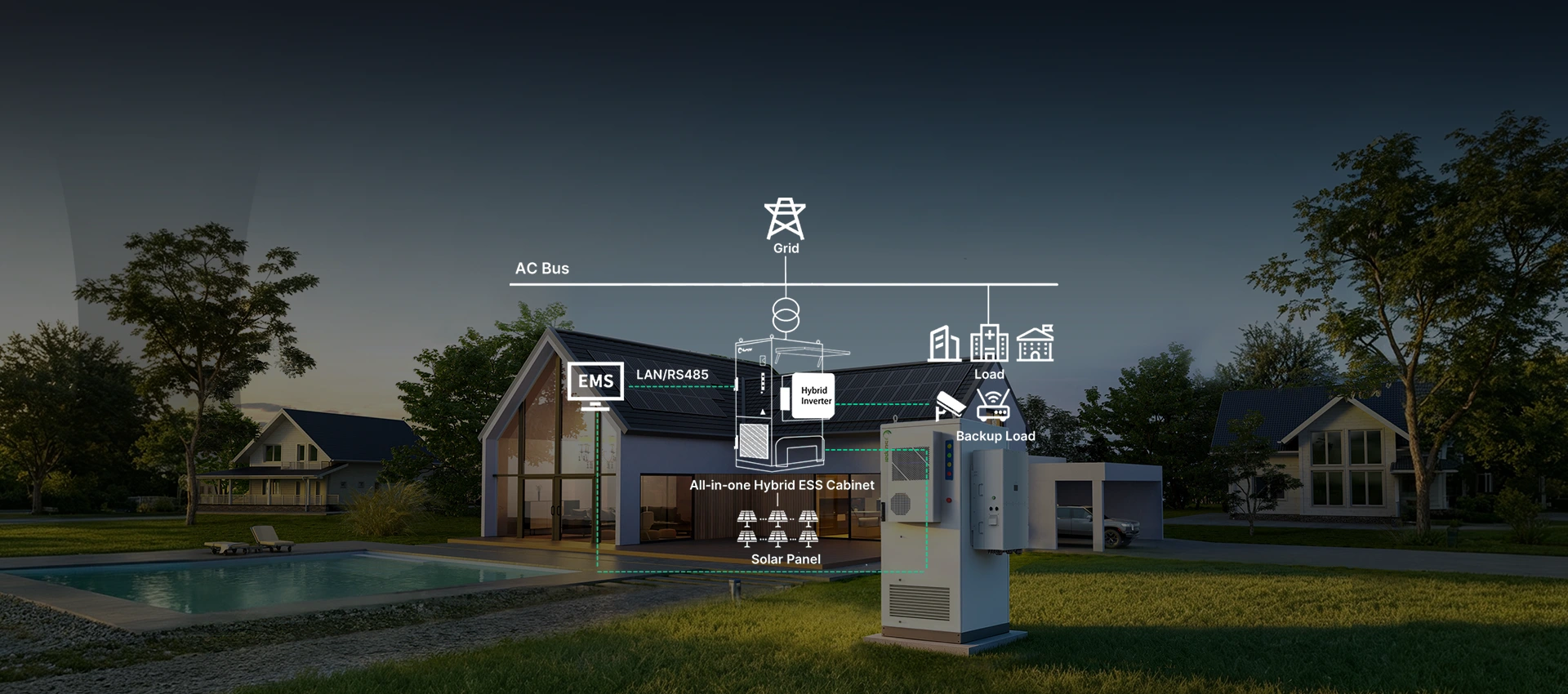
For rooftop solar, industrial PV and solar-plus-storage projects, SUNPAL ESS PV self-consumption battery storage stores excess daytime solar generation and releases it when site load increases, helping reduce curtailment and lower grid electricity purchases. As net metering tariffs decline, feed-in prices fall and PV back-feeding becomes restricted in more regions, commercial solar battery storage systems help enterprises maximize local solar use and improve project returns.
-
Project Cases: 175 Projects Installed
-
Capacity Range: 0.2 – 5 MWh+
-
Exporting Countries: 145
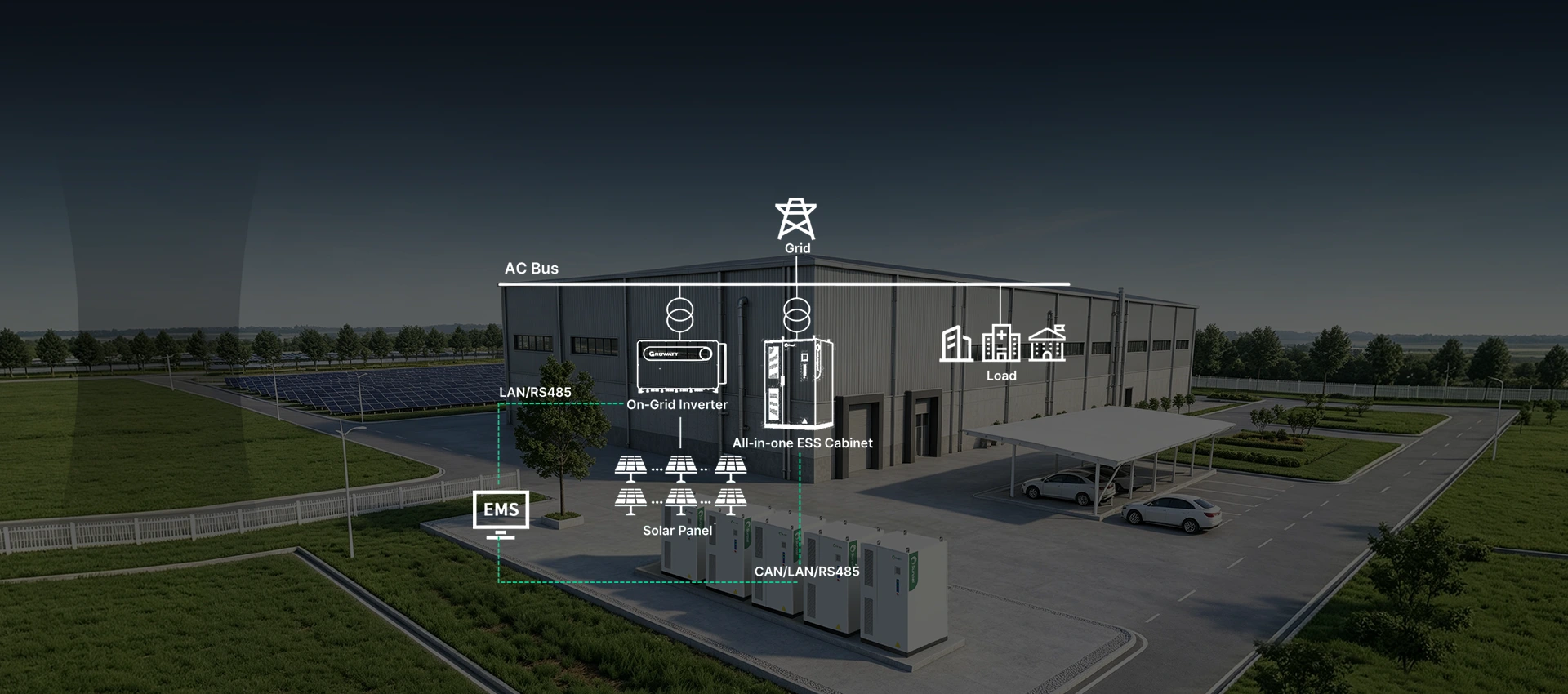
For commercial buildings, factories, mines, hospitals, cold-chain facilities and industrial parks, SUNPAL ESS demand charge management BESS monitors load demand and discharges before demand peaks occur, helping reduce monthly demand charges and improve energy cost predictability. As one of the most valuable applications of C&I energy storage, battery energy storage for peak demand control helps EPCs and project owners demonstrate clear economic returns and accelerate project implementation.
-
Project Cases: 168 Projects Installed
-
Capacity Range: 0.5-5 MWh+
-
Exporting Countries: 125
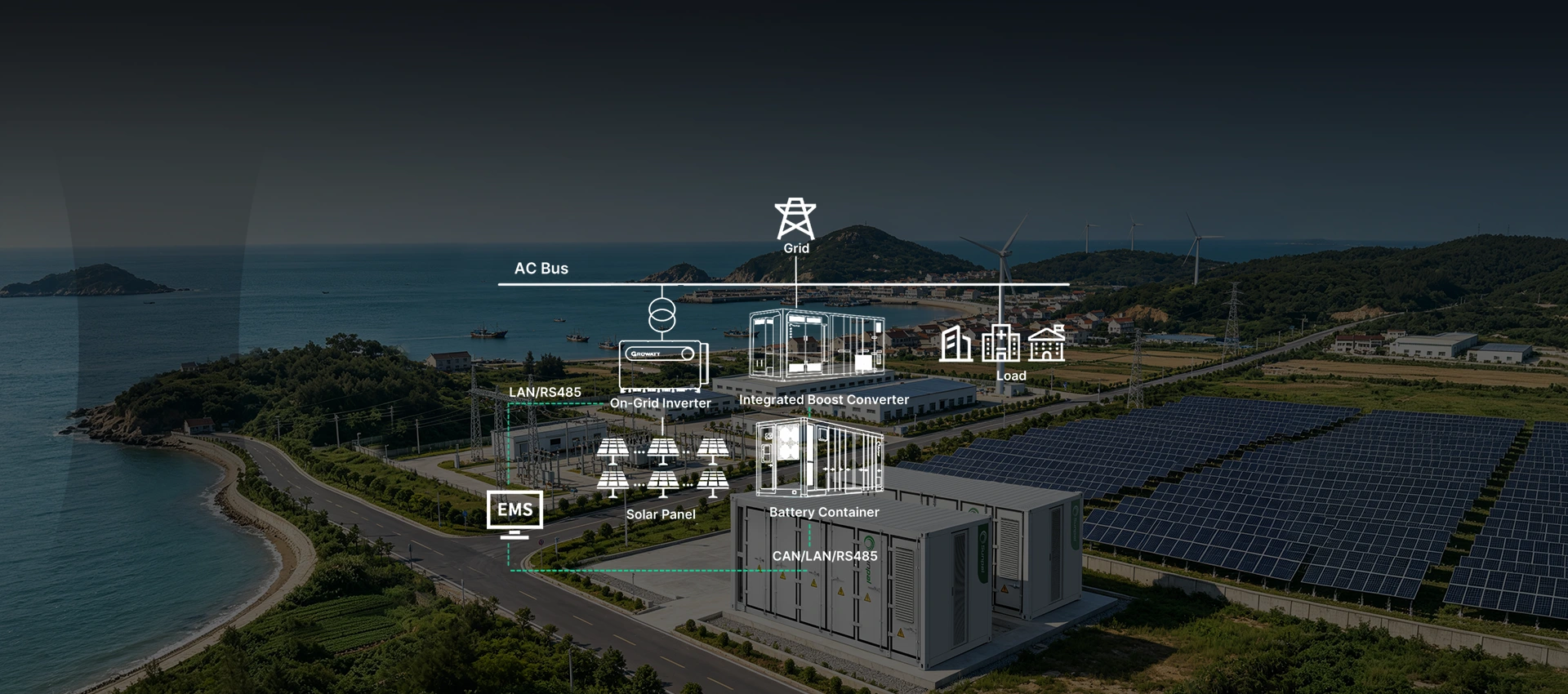
In factories, industrial parks, or remote areas, photovoltaic-storage-diesel systems can serve as a core component of microgrids, supporting multiple operating modes including grid-connected, off-grid, and both grid-connected and off-grid, achieving energy self-sufficiency and independent regulation, and even enabling black start in the event of grid failure.
-
Project Cases: 206 Projects Installed
-
Capacity Range: 1-20+ MWh
-
Exporting Countries: 137
[ OUR PROCESS ]
From Project Inquiry to ESS Commissioning in 4 Steps
-
01

Load & Site Assessment
Share your electricity bills, load profile, solar PV capacity, backup power needs and site conditions. SUNPAL ESS engineers evaluate your peak shaving, demand charge management, PV self-consumption or microgrid application and define the required BESS capacity.
-
02

System Design & ROI Analysis
We prepare a tailored battery energy storage solution with single-line diagram, product selection, system configuration and ROI analysis. The design is matched to your tariff structure, grid conditions, installation space and future expansion plan.
-
03

Manufacturing & Factory Testing
Your ESS cabinet or containerized BESS system is manufactured with LiFePO4 batteries, PCS, BMS, EMS, thermal management and safety protection. FAT, function testing and quality inspection are completed before shipment.
-
04

Delivery & Commissioning Support
We support international delivery, project documentation, installation guidance, grid interconnection and EMS configuration. Remote monitoring and lifecycle technical support help keep the energy storage system operating reliably after commissioning.
[ WHY SUNPAL ESS ]
Technology Built for Safer, Smarter Energy Storage
SUNPAL ESS combines LiFePO4 battery technology, intelligent BMS, PCS, EMS, thermal management and multi-layer safety protection to support reliable C&I and utility-scale battery energy storage solutions.
-

Intelligent BMS Architecture
Multi-level BMS monitoring supports real-time battery status tracking, SOC/SOH estimation, cell balancing and protection against overcharge, over-discharge, overtemperature and abnormal current.
-

EMS Energy Management Platform
The EMS coordinates charge/discharge strategy, load response, PV self-consumption, peak shaving and remote monitoring, helping C&I energy storage systems operate more efficiently.
-

Multi-Layer Safety Protection
Battery packs and cabinets can be configured with BMS protection, smoke and temperature detection, aerosol fire suppression, water-based fire protection and electrical isolation for safer ESS operation.
-

Modular System Architecture
From kWh-level ESS cabinets to MWh-scale containerized BESS, modular product design supports flexible capacity expansion, grid-tied operation, backup power and microgrid applications.
-

Global Project Experience
SUNPAL ESS supports energy storage projects across 150+ countries, covering commercial buildings, factories, industrial parks, renewable energy projects, microgrids and off-grid applications.
-

International Certification Support
Available certification documents include UN38.3, IEC62619, IEC63056, CE, EMC, RoHS and other project-specific compliance documents to support global market access and approval.
[ KNOWLEDGE CENTER ]
Energy Storage Solution FAQs
Common questions about C&I BESS solutions, system sizing, applications, ROI and project deployment.
-
How do I choose the right battery energy storage solution for my project?
The right ESS solution depends on your load profile, electricity tariff, solar PV capacity, grid conditions, backup power needs and site space. SUNPAL ESS engineers evaluate these factors to recommend a suitable C&I BESS configuration.
-
Which applications can SUNPAL ESS energy storage solutions support?
Our battery energy storage solutions support peak shaving, demand charge management, peak-valley arbitrage, backup power, PV self-consumption, dynamic power boosting, grid stability support and microgrid applications.
-
What capacity range is available for C&I and utility-scale ESS projects?
SUNPAL ESS solutions cover 0.2 MWh C&I energy storage projects up to 20 MWh+ utility-scale battery energy storage systems, depending on application scenario, power demand and expansion requirements.
-
Can ESS reduce electricity costs for commercial and industrial users?
Yes. A C&I battery energy storage system can reduce costs through peak shaving, demand charge management, peak-valley arbitrage and improved solar self-consumption, especially in regions with time-of-use tariffs.
-
Can the system work with solar PV, diesel generators and the grid?
Yes. SUNPAL ESS can be configured for solar-plus-storage, PV-storage-diesel microgrids, grid-tied energy storage and backup power systems, with PCS, BMS and EMS coordinating energy flow between sources and loads.
-
How does SUNPAL ESS support backup power during grid outages?
For backup power applications, the system can use BESS, PCS, EMS and STS switching to support critical loads during grid failure. The exact backup time depends on battery capacity, load size and system configuration.
-
What information is needed to design an ESS solution?
We usually need electricity bills, load profile, peak demand, PV capacity, grid connection details, backup load list, installation space and project location. These inputs help size the battery storage system and estimate ROI.
-
Do you provide system design, delivery and commissioning support?
Yes. SUNPAL ESS supports solution design, product selection, manufacturing, FAT testing, export documentation, installation guidance, EMS configuration, remote monitoring and lifecycle technical support for global energy storage projects.
[ GET IN TOUCH ]
Get Your Custom Energy Solution
Share your project requirements and receive a tailored system proposal, configuration, and preliminary cost estimate within 24 hours.

Talk to Our Experts
Tell us your energy needs and our experts will get back to you within 24 hours.