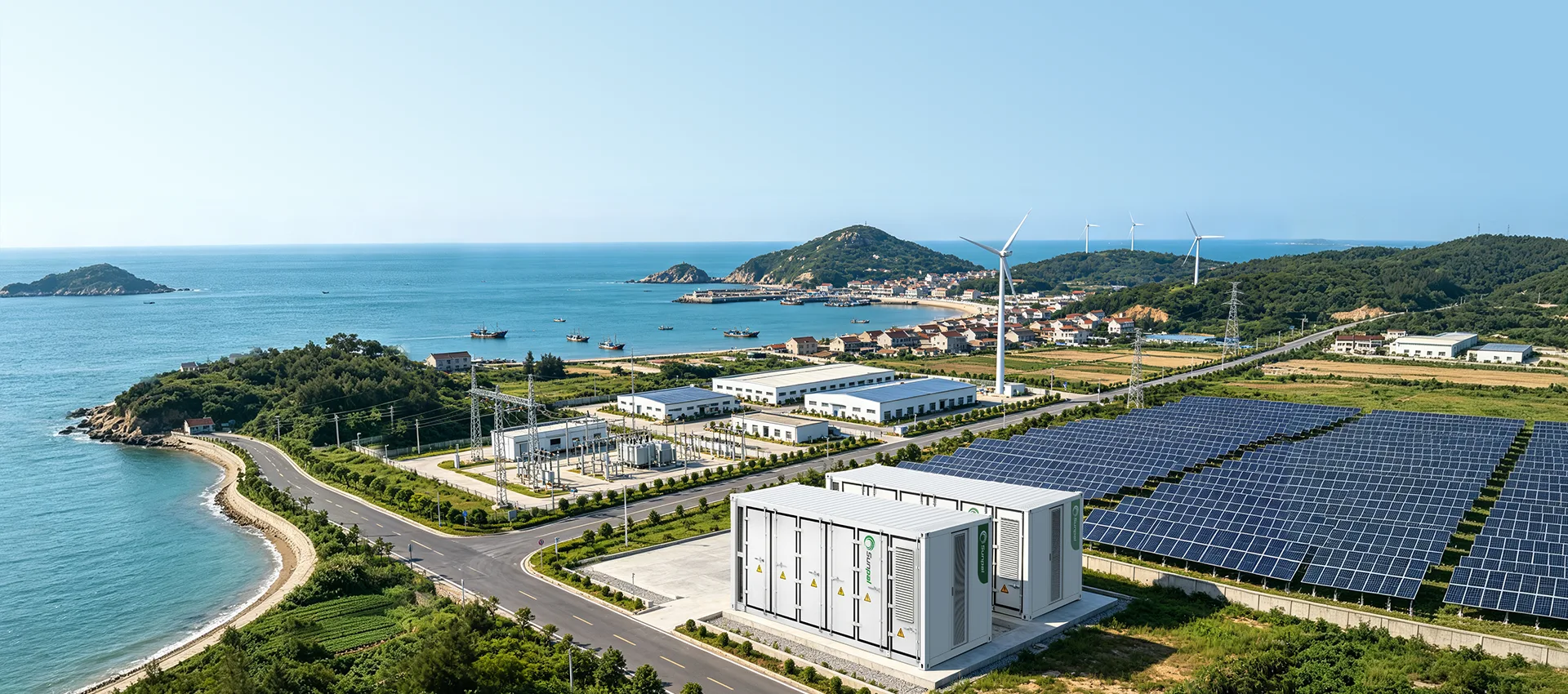
ENERGY STORAGE SOLUTIONS
MICROGRID BESS SOLUTION
Microgrid Energy Storage Solution for Remote, Industrial and Off-Grid Power
SUNPAL ESS microgrid energy storage solutions integrate LiFePO4 battery storage, solar PV, PCS, EMS and optional diesel generators to provide reliable power for mines, islands, industrial parks, farms and remote production bases. Designed for grid-connected, off-grid and hybrid operation, the system helps improve energy resilience, reduce fuel consumption, support black start and enable business growth in areas with weak or unavailable grid infrastructure.
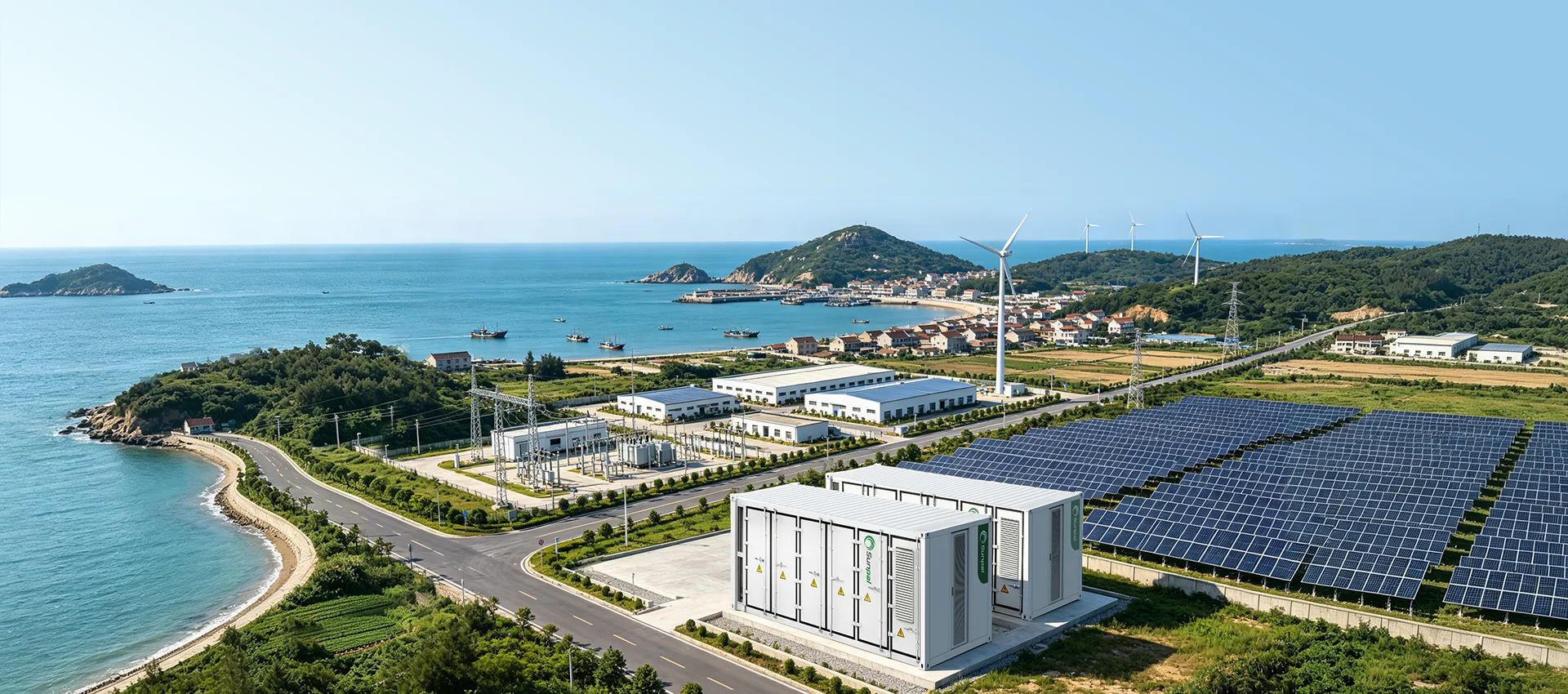
TL;DR — Executive Summary
Microgrid BESS acts as the power hub of a PV-BESS-diesel hybrid system. SUNPAL ESS coordinates solar generation, battery storage, grid power and diesel backup to maintain stable supply, reduce operating fuel cost and support energy independence for remote or critical C&I sites.
[ MICROGRID PAIN POINTS ]
What Problems Can Microgrid BESS Solve?
SUNPAL ESS microgrid energy storage systems help remote, weak-grid and mission-critical sites build resilient local power supply with solar, battery storage, diesel backup and intelligent EMS control.
-
Lack of Reliable Grid Access
Challenge
Mines, islands, farms and remote production bases often operate in areas where the public grid is unavailable, weak or too expensive to extend.
SUNPAL ESS Solution
SUNPAL ESS provides containerized microgrid BESS solutions that combine solar PV, LiFePO4 battery storage and PCS control to create a local power supply hub.
-
Production Risk During Grid Outages
Challenge
Industrial sites in weak-grid regions may face load shedding, blackout events, storms or unstable grid conditions that interrupt production and damage equipment.
SUNPAL ESS Solution
The microgrid can operate in grid-connected, off-grid or hybrid mode, maintaining power for critical loads when the external grid fails.
-
High Diesel Fuel Consumption
Challenge
Diesel-only microgrids consume large amounts of fuel, require frequent maintenance and create high operating costs in remote locations.
SUNPAL ESS Solution
PV-BESS-diesel hybrid control prioritizes solar power, uses battery storage for load balancing and dispatches diesel generators only when needed, helping reduce fuel consumption.
-
Slow Business Expansion in Remote Areas
Challenge
Companies may delay mining, agriculture, construction or industrial projects because local power infrastructure cannot support new operations.
SUNPAL ESS Solution
Standardized ESS cabinets or containerized BESS systems can be deployed as modular off-grid power solutions to support faster project startup.
-
Complex Multi-Source Energy Management
Challenge
Microgrid projects must coordinate PV, battery storage, diesel generators, grid connection, site loads and backup priority in real time.
SUNPAL ESS Solution
The intelligent EMS manages power flow, battery SOC, generator dispatch, PV utilization and load priority to keep the microgrid stable and efficient.
-
Limited Operational Visibility
Challenge
Remote sites often lack real-time monitoring, making it difficult to track performance, detect faults or optimize energy cost.
SUNPAL ESS Solution
Cloud-based remote monitoring and edge control provide visibility into generation, load, battery status, alarms and energy usage, reducing on-site O&M pressure.
[ HOW IT WORKS ]
How Microgrid Energy Storage Works
SUNPAL ESS coordinates solar PV, LiFePO4 battery storage, PCS, EMS, grid power and diesel generators to maintain stable local power in grid-connected, off-grid and hybrid microgrid modes.
-
02

Monitor Energy Sources and Site Loads
The EMS tracks PV generation, battery SOC, diesel generator status, grid condition, load demand and critical load priority in real time.
-
03

Prioritize Solar and Battery Power
During normal operation, solar PV supplies site loads first while surplus power charges the BESS. Battery storage helps smooth load peaks and reduce diesel runtime.
-
04

Dispatch Diesel or Grid Backup When Needed
When solar output is low or load demand rises, the EMS coordinates battery discharge, grid import or diesel generator operation to maintain power stability.
-
05

Support Off-Grid Operation and Recovery
During grid outages or remote operation, the PCS and EMS support islanded microgrid operation, critical load protection and black start capability based on project configuration.

[ PERFORMANCE DATA ]
Microgrid Benefits & Project Metrics
SUNPAL ESS microgrid BESS solutions are designed for remote, industrial and weak-grid projects that need reliable local power, fuel reduction and intelligent energy management.
-
1–20 MWh+
Recommended Capacity Range
Typical microgrid energy storage configurations for mines, islands, industrial parks, agriculture bases, remote production sites and PV-BESS-diesel hybrid systems.
-
206+
Project Cases
Reference project experience across microgrid energy storage, off-grid power, renewable integration and hybrid backup power applications.
-
137+
Exporting Countries
SUNPAL ESS supports global microgrid projects with system design, product selection, delivery support and remote monitoring.
-
PV-BESS-Diesel
Hybrid Power Integration
The system coordinates solar PV, battery storage and diesel generators to improve local power reliability and reduce fuel-dependent operation.
[ WHAT'S INCLUDED ]
What's Included in a SUNPAL ESS Microgrid Solution
Each microgrid solution combines LiFePO4 battery storage, PCS, EMS, PV integration, diesel coordination and engineering support to build reliable local power systems.
-

LiFePO4 Battery Storage System
ESS cabinets or containerized BESS systems store solar or grid energy, support load balancing and provide backup power during off-grid or weak-grid operation.
-

PCS for Grid-Connected and Off-Grid Operation
Bidirectional PCS supports AC/DC conversion, grid interaction and off-grid power output for microgrid loads based on system configuration.
-

Intelligent EMS Microgrid Control
The EMS coordinates PV generation, battery SOC, diesel generator dispatch, grid status, load priority and remote monitoring for stable microgrid operation.
-

Engineering, Commissioning and Remote O&M
SUNPAL ESS provides BESS sizing, single-line diagram, product selection, commissioning guidance, EMS configuration and cloud-based lifecycle support.
[ CASE STUDIES ]
Real Microgrid BESS Results
Explore SUNPAL ESS projects where microgrid energy storage supports off-grid power, diesel reduction, renewable integration and energy resilience for remote or critical sites.
Mining Sites
Islands
Industrial Parks
[ PRODUCTS ]
Recommended BESS Products for Microgrid Applications
Pre-selected by SUNPAL ESS engineers for microgrid projects that require off-grid operation, PV-BESS-diesel coordination, black start capability and scalable MWh battery storage.
[ KNOWLEDGE CENTER ]
Microgrid Energy Storage FAQs
Common questions about microgrid BESS, off-grid power, PV-BESS-diesel hybrid systems, fuel reduction and intelligent energy management.
-
What is a microgrid energy storage system?
A microgrid energy storage system combines battery storage, PCS, EMS and local power sources such as solar PV, grid power or diesel generators. It can operate with the main grid or independently in off-grid mode.
-
What sites are suitable for microgrid BESS?
Typical sites include mines, islands, farms, industrial parks, remote factories, telecom sites, construction bases and facilities in weak-grid or outage-prone regions.
-
Can a microgrid work without the utility grid?
Yes. With proper system design, the microgrid can operate in islanded or off-grid mode using solar PV, battery storage and optional diesel generators to supply local loads.
-
How does BESS reduce diesel fuel consumption in microgrids?
The BESS stores solar energy, supports load peaks and reduces the need for diesel generators to run continuously. The EMS can dispatch diesel only when needed or within a more efficient operating range.
-
Can SUNPAL ESS support PV-BESS-diesel hybrid systems?
Yes. SUNPAL ESS can design hybrid microgrid systems that coordinate solar PV, LiFePO4 battery storage, diesel generators, PCS and EMS for reliable local power supply.
-
What capacity range is recommended for microgrid projects?
SUNPAL ESS typically configures microgrid systems from 1 MWh to 20 MWh+, depending on load size, PV capacity, backup duration, diesel strategy and off-grid operation requirements.
-
Does the microgrid system support remote monitoring?
Yes. EMS and cloud-based remote monitoring can track PV generation, battery SOC, load demand, generator operation, alarms and energy performance for easier O&M.
-
What information is needed to design a microgrid ESS solution?
We usually need load profile, critical load list, PV capacity, diesel generator data, grid availability, fuel cost, required backup time, site layout and local environmental conditions. These inputs help size the BESS and microgrid configuration.
[ GET IN TOUCH ]
Get Your Custom Energy Solution
Share your project requirements and receive a tailored system proposal, configuration, and preliminary cost estimate within 48 hours.

Talk to Our Experts
Tell us your energy needs and our experts will get back to you within 24 hours.