ENERGY STORAGE SOLUTIONS
PV SELF-CONSUMPTION BESS SOLUTION
PV Self-Consumption Energy Storage Solution for Higher Solar ROI
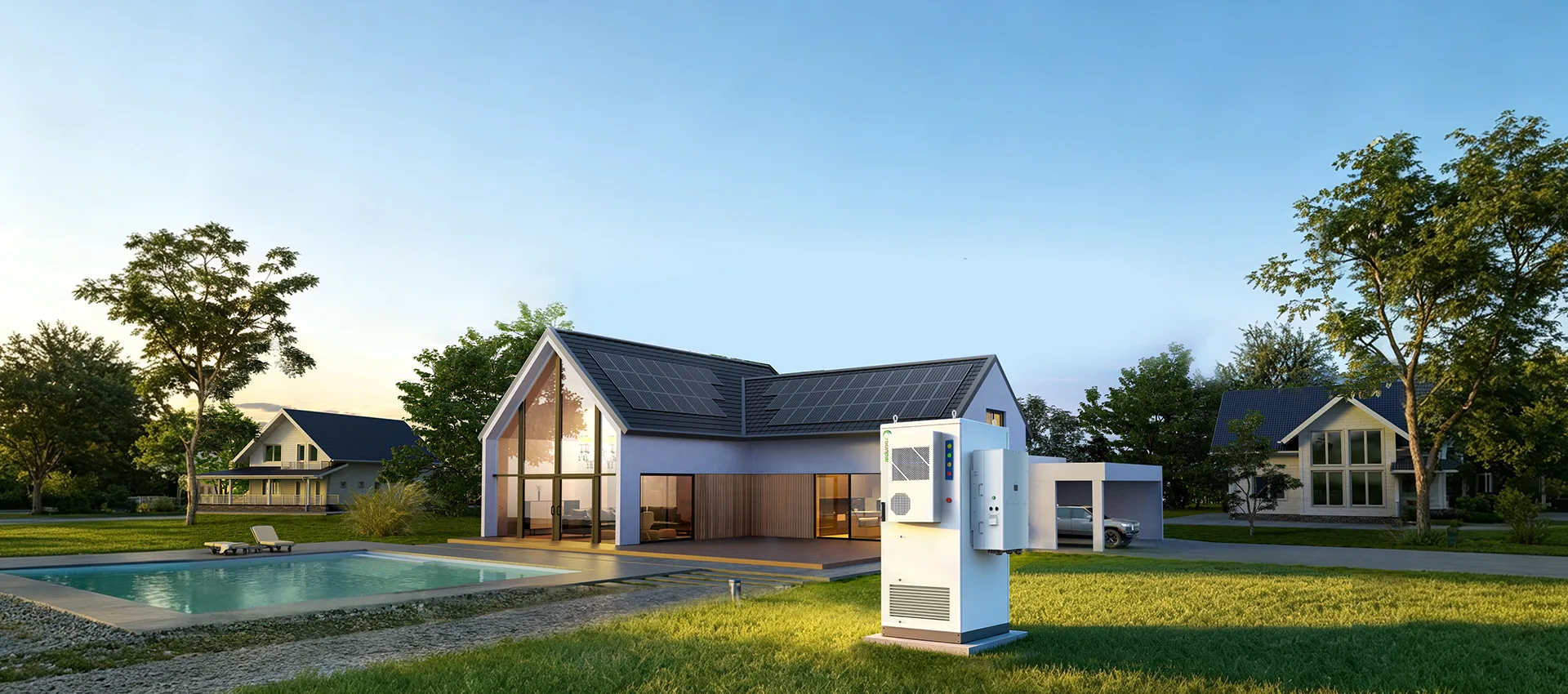
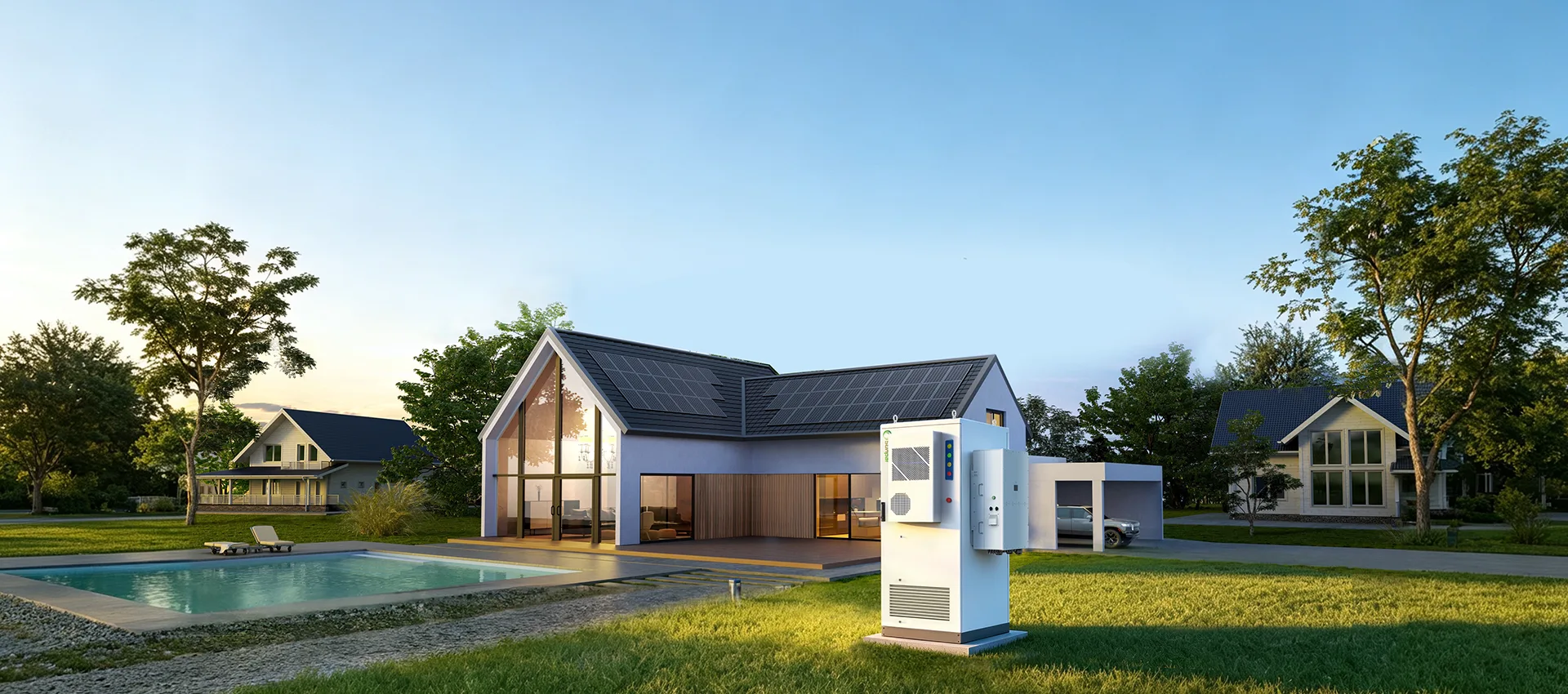
SUNPAL ESS PV self-consumption optimization solutions store surplus rooftop solar power in LiFePO4 battery storage and discharge it when site load increases, electricity prices rise or solar generation drops. Designed for factories, commercial buildings, industrial parks and solar-plus-storage projects, the system helps reduce PV curtailment, lower grid purchases, improve peak shaving and maximize the value of on-site solar energy.
TL;DR — Executive Summary
PV Self-Consumption Optimization uses BESS to shift excess daytime solar generation into evening, morning or peak-price periods. For C&I users, it improves solar self-consumption, reduces low-value export, supports demand charge reduction and improves solar storage project ROI.
[ PV SELF-CONSUMPTION PAIN POINTS ]
What Problems Can PV Self-Consumption BESS Solve?
SUNPAL ESS PV self-consumption battery storage helps C&I users capture more on-site solar value, reduce curtailment and lower electricity costs under changing grid and tariff policies.
-
Low-Value Solar Export
Challenge
Many commercial rooftop PV systems generate more electricity than the site can consume during midday, while feed-in tariffs are low or export compensation is declining.
SUNPAL ESS Solution
SUNPAL ESS stores surplus solar generation in LiFePO4 battery storage and releases it when site demand is higher, improving PV self-consumption and reducing low-value grid export.
-
PV Curtailment or Export Restrictions
Challenge
In some regions, grid operators limit back-feeding or restrict solar export, causing valuable green electricity to be curtailed instead of used on site.
SUNPAL ESS Solution
The BESS absorbs excess PV output and shifts it to later load periods, helping reduce curtailment and maximize local solar utilization.
-
Peak Demand Charges
Challenge
Factories and commercial facilities may still face high demand charges when load peaks occur outside the strongest solar generation window.
SUNPAL ESS Solution
Stored solar energy can be discharged during peak load periods, combining PV self-consumption optimization with peak shaving and demand charge reduction.
-
Time-of-Use Tariff Pressure
Challenge
Electricity prices often rise during evening or peak-demand periods, while rooftop PV output is low or unavailable.
SUNPAL ESS Solution
The EMS schedules battery discharge during high-price periods and charges from surplus solar or low-tariff grid power, supporting peak-valley arbitrage and lower operating costs.
-
Lower Solar Project ROI
Challenge
Standalone PV projects can lose value when solar export prices are low, curtailment increases or solar generation does not match the facility’s load profile.
SUNPAL ESS Solution
Solar-plus-storage improves project economics by turning excess daytime PV into usable high-value electricity, helping shorten payback time and increase solar ROI.
-
ESG and Green Energy Utilization
Challenge
Global companies need higher renewable energy use and lower Scope 2 emissions, but low self-consumption limits the real carbon reduction value of rooftop PV.
SUNPAL ESS Solution
SUNPAL ESS stores on-site solar power for later use, helping increase renewable energy consumption and support ESG reporting for C&I operations.
[ HOW IT WORKS ]
How PV Self-Consumption Energy Storage Works
SUNPAL ESS coordinates solar PV, LiFePO4 battery storage, PCS and EMS control to store excess solar generation and release it when on-site demand or electricity prices are higher.
-
02

Monitor Solar Generation and Site Load
The EMS tracks rooftop PV output, facility load, grid import/export power, battery SOC and tariff conditions in real time.
-
03

Store Excess Daytime Solar Power
When PV generation exceeds site consumption, the BESS charges with surplus solar energy instead of exporting it at low value or curtailing it.
-
04

Discharge When Demand or Price Rises
The PCS releases stored solar energy during evening load, morning startup, peak-demand periods or high-tariff windows to reduce grid electricity purchases.
-
05

Optimize Solar ROI and Battery Operation
The EMS adjusts charge-discharge strategy based on solar output, load profile, TOU tariff, battery status and project ROI targets.

[ PERFORMANCE DATA ]
PV Self-Consumption Benefits & Project Metrics
SUNPAL ESS PV self-consumption BESS solutions are designed for C&I solar projects that need higher local solar use, lower grid purchases and stronger project economics.
-
0.2–5 MWh+
Recommended Capacity Range
Typical solar battery storage configurations for rooftop PV, industrial PV, commercial solar-plus-storage and C&I energy storage projects.
-
175+
Project Cases
Reference project experience across PV self-consumption optimization, solar storage integration, peak shaving and C&I battery energy storage applications.
-
145+
Exporting Countries
SUNPAL ESS supports global PV self-consumption projects with system design, product selection, delivery support and remote monitoring.
-
Higher Solar Use
Solar Self-Consumption Improvement
The BESS stores surplus solar generation and shifts it to later load periods, helping reduce curtailment and improve on-site renewable energy utilization.
[ WHAT'S INCLUDED ]
What's Included in a SUNPAL ESS PV Self-Consumption Solution
Each solution combines solar battery storage, PCS, EMS scheduling, PV/grid integration and engineering support to maximize on-site solar energy value.
-

LiFePO4 Solar Battery Storage
ESS cabinets or containerized BESS systems store excess rooftop PV or industrial solar generation for later use by site loads.
-

PCS and PV/Grid Integration
Bidirectional PCS supports energy exchange between battery storage, PV systems, facility loads and the utility grid for stable solar-plus-storage operation.
-

Intelligent EMS Solar Scheduling
The EMS monitors PV output, load demand, battery SOC, tariff data and export limits to optimize charging, discharging and grid interaction.
-

Design, ROI and Remote O&M
SUNPAL ESS engineers provide BESS sizing, system configuration, single-line diagram, ROI analysis, commissioning support and cloud-based remote monitoring.
[ CASE STUDIES ]
Real PV Self-Consumption BESS Results
Explore SUNPAL ESS projects where solar battery storage helps reduce PV curtailment, improve self-consumption and lower grid electricity purchases for C&I facilities.
Rooftop PV
Industrial Parks
Commercial Buildings
[ PRODUCTS ]
Recommended BESS Products for PV Self-Consumption
Pre-selected by SUNPAL ESS engineers for solar-plus-storage projects that require PV integration, flexible battery capacity, EMS scheduling and reliable C&I energy storage operation.
[ KNOWLEDGE CENTER ]
PV Self-Consumption Energy Storage FAQs
Common questions about solar battery storage, PV self-consumption, curtailment reduction, C&I solar storage sizing and project ROI.
-
What is PV self-consumption optimization?
PV self-consumption optimization means using more solar power on site instead of exporting it or curtailing it. A battery energy storage system stores excess daytime solar energy and releases it when the facility needs power.
-
How does BESS improve solar self-consumption?
The BESS charges when rooftop PV generation exceeds site load and discharges during evening, morning startup or peak-demand periods. This shifts solar energy to the times when it has higher value.
-
What sites are suitable for PV self-consumption storage?
It is suitable for factories, commercial buildings, industrial parks, warehouses, shopping centers, schools, hospitals and other C&I sites with rooftop PV or industrial solar systems.
-
Can this solution reduce PV curtailment?
Yes. When export is limited or feed-in prices are low, the BESS stores surplus solar power instead of wasting it, helping reduce curtailment and improve local renewable energy use.
-
Can PV self-consumption also support peak shaving?
Yes. Stored solar energy can be discharged during high-load periods to reduce grid demand, supporting peak shaving and demand charge reduction.
-
What capacity range is recommended for this solution?
SUNPAL ESS typically configures PV self-consumption systems from 0.2 MWh to 5 MWh+, depending on PV capacity, load profile, export limits, tariff structure and target backup or savings requirements.
-
Can the system work with an existing solar PV installation?
Yes. In many projects, battery storage can be integrated with existing PV systems through proper PCS, EMS and grid connection design. The final solution depends on the current inverter, wiring and site conditions.
-
-
What information is needed to design a PV self-consumption ESS solution?
We usually need PV capacity, solar generation profile, site load profile, electricity bills, export rules, TOU tariff, installation space and target ROI. These inputs help size the BESS and estimate savings.
[ GET IN TOUCH ]
Get Your Custom Energy Solution
Share your project requirements and receive a tailored system proposal, configuration, and preliminary cost estimate within 48 hours.

Talk to Our Experts
Tell us your energy needs and our experts will get back to you within 24 hours.