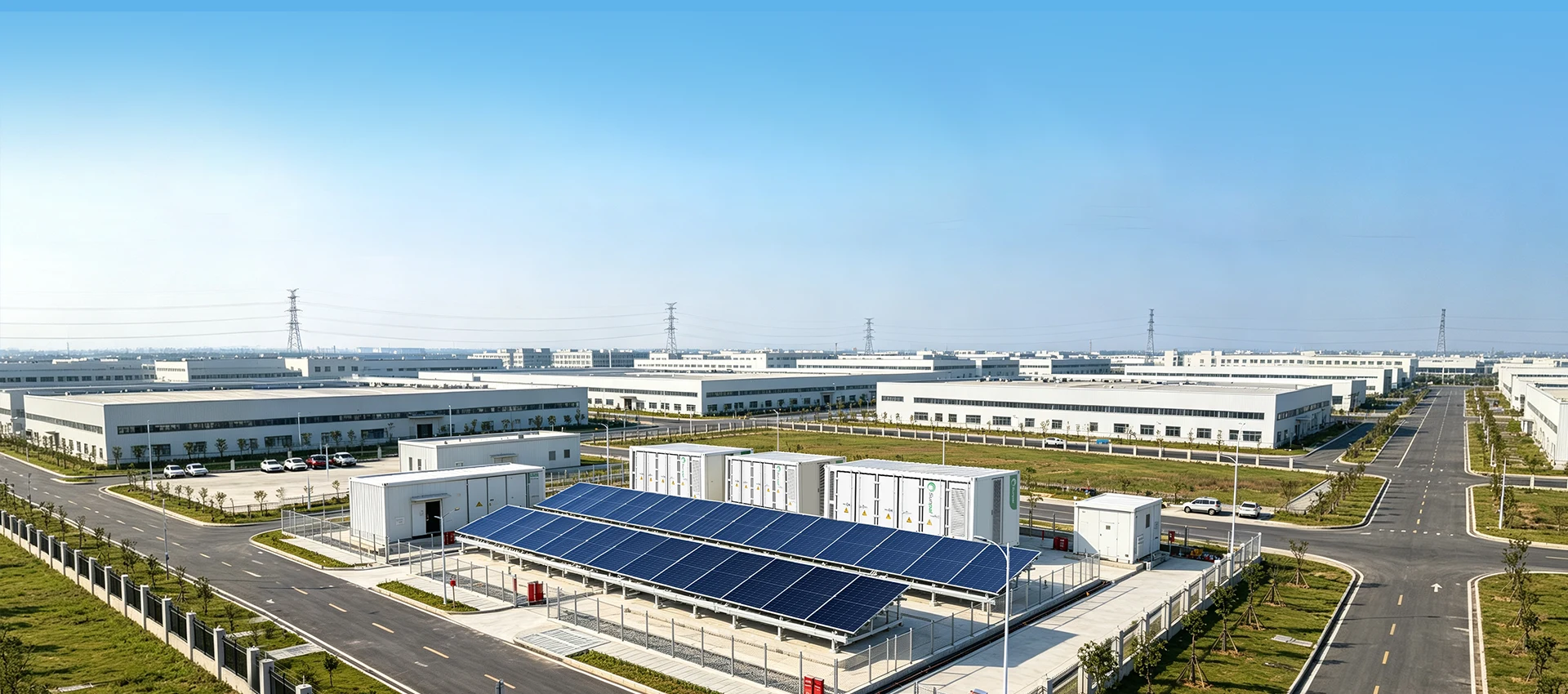
ENERGY STORAGE SOLUTIONS
PEAK-VALLEY ARBITRAGE BESS SOLUTION
Peak-Valley Arbitrage Energy Storage Solution for Lower Electricity Costs
SUNPAL ESS peak-valley arbitrage battery energy storage systems charge during low-tariff, off-peak or solar-rich periods and discharge during high-price peak hours. Designed for factories, cold-chain logistics, commercial complexes and industrial parks, the solution helps reduce peak tariff costs, improve solar self-consumption, hedge electricity price volatility and support cleaner C&I energy management.
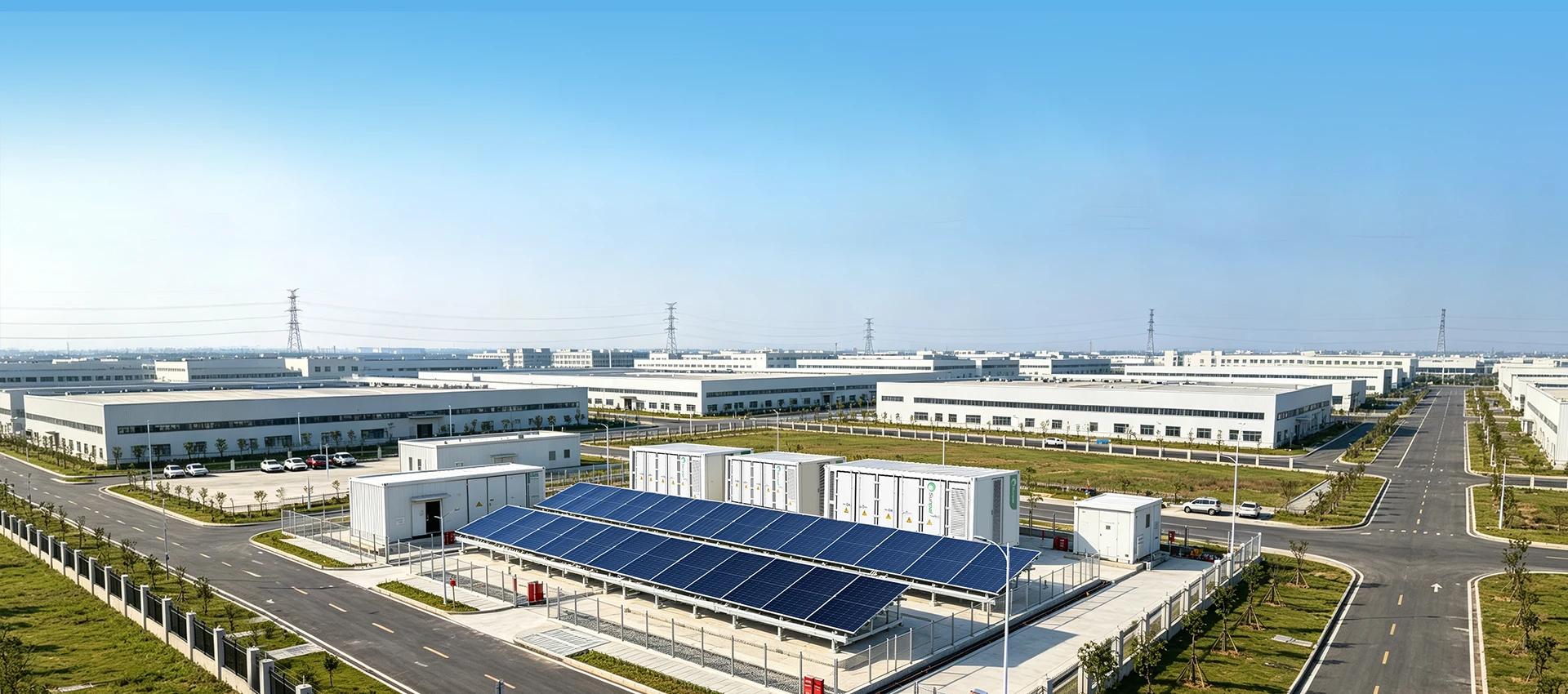
TL;DR — Executive Summary
Peak-valley arbitrage uses LiFePO4 battery storage and intelligent EMS control to shift low-cost grid power or surplus solar energy into high-value peak-price periods. For C&I users with time-of-use tariffs, it can reduce electricity bills, increase PV self-consumption and improve project ROI.
[ PEAK-VALLEY ARBITRAGE PAIN POINTS ]
What Problems Can Peak-Valley Arbitrage Solve?
SUNPAL ESS peak-valley arbitrage energy storage systems help C&I users reduce high peak tariff costs, store surplus solar power and stabilize long-term electricity expenses.
-
Exorbitant Peak Tariff Costs
Challenge
In many time-of-use electricity markets, peak-hour prices can be several times higher than off-peak or valley tariffs, putting heavy cost pressure on high-energy factories and commercial sites.
SUNPAL ESS Solution
SUNPAL ESS charges the BESS during low-tariff periods and discharges during peak-price hours, helping replace expensive grid electricity with stored low-cost energy.
-
Low-Value Solar Export and Curtailment
Challenge
Rooftop PV often generates the most power around midday, while site demand may not match solar output. Low feed-in tariffs, export limits or curtailment can waste valuable clean energy.
SUNPAL ESS Solution
The system stores surplus solar generation in LiFePO4 batteries and releases it during evening peak hours, improving solar self-consumption and converting low-value PV into high-value peak power.
-
Electricity Price Volatility
Challenge
Dynamic tariffs, energy market instability and seasonal price spikes make it difficult for enterprises to forecast annual electricity costs and control operating budgets.
SUNPAL ESS Solution
With intelligent EMS scheduling, the battery energy storage system works as a local energy buffer, helping hedge peak electricity prices and improve energy cost predictability.
-
High Evening or Afternoon Load Pressure
Challenge
Commercial complexes, cold-chain logistics, factories and industrial parks often see high load during the same periods when grid electricity prices are highest.
SUNPAL ESS Solution
SUNPAL ESS discharges stored energy during these high-price load windows, reducing grid purchases and supporting smoother C&I energy management.
-
ESG and Scope 2 Carbon Pressure
Challenge
During peak grid periods, utilities may rely on higher-carbon peaker plants, increasing the carbon intensity of purchased electricity and making ESG reporting more difficult.
SUNPAL ESS Solution
Peak-valley arbitrage supports green energy shifting by storing solar or low-carbon off-peak electricity and using it during high-carbon peak periods, helping reduce Scope 2 emissions.
-
Weak ROI from Standalone Solar PV
Challenge
Standalone PV projects may lose value when midday export prices are low or back-feeding is restricted, extending payback time for commercial solar installations.
SUNPAL ESS Solution
Solar-plus-storage arbitrage improves PV project economics by storing excess solar power and discharging when electricity value is higher.
[ HOW IT WORKS ]
How Peak-Valley Arbitrage Energy Storage Works
SUNPAL ESS uses EMS scheduling, LiFePO4 battery storage and PCS power conversion to charge when electricity is low-cost and discharge when grid power is most expensive.
-
02

Analyze Tariffs and Load Profile
The EMS reviews time-of-use tariffs, site load profile, PV generation, battery SOC and operating limits to identify the best charge and discharge windows.
-
03

Charge During Valley or Solar-Rich Hours
The BESS charges from low-tariff grid power, surplus rooftop PV or other renewable energy during low-price periods, storing energy for later use.
-
04

Discharge During Peak-Price Periods
When electricity prices rise, the PCS releases stored power to support site loads, reducing high-price grid purchases and improving peak-valley arbitrage savings.
-
05

Optimize ROI and Battery Operation
The EMS adjusts charge-discharge strategy based on tariffs, solar output, load demand and battery status to balance savings, cycle life and long-term C&I BESS ROI.

[ PERFORMANCE DATA ]
Peak-Valley Arbitrage Benefits & Project Metrics
SUNPAL ESS peak-valley arbitrage solutions are designed for C&I users in time-of-use tariff markets, helping shift low-cost energy into high-value peak periods.
-
1–10 MWh+
Recommended Capacity Range
Typical peak-valley arbitrage BESS configurations for factories, industrial parks, cold-chain facilities and commercial complexes with clear TOU tariff differences.
-
148+
Project Cases
Reference project experience across C&I battery energy storage applications involving tariff optimization, solar storage and peak-price load shifting.
-
117+
Exporting Countries
SUNPAL ESS supports global peak-valley arbitrage projects with system design, product selection, delivery support and remote monitoring.
-
Higher PV Value
Solar Self-Consumption Improvement
By storing surplus PV and discharging during peak-price hours, solar-plus-storage systems can improve local solar use and reduce low-value export dependence.
[ WHAT'S INCLUDED ]
What's Included in a SUNPAL ESS Peak-Valley Arbitrage Solution
Each solution combines LiFePO4 battery storage, PCS, EMS scheduling, PV/grid integration and engineering support to optimize electricity cost under time-of-use tariffs.
-

LiFePO4 Battery Storage System
ESS cabinets or containerized BESS systems store low-cost grid electricity or surplus solar power for use during high-price peak periods.
-

PCS Power Conversion
Bidirectional PCS manages AC/DC conversion and supports stable charge-discharge operation between battery storage, site loads, PV systems and the grid.
-

Intelligent EMS Tariff Scheduling
The EMS uses TOU tariff data, load profile, PV generation and battery SOC to automatically schedule charging and discharging for cost optimization.
-

ROI Design and Remote O&M
SUNPAL ESS engineers provide BESS sizing, single-line diagram, product selection, ROI analysis, commissioning guidance and cloud-based remote monitoring.
[ CASE STUDIES ]
Real Peak-Valley Arbitrage BESS Results
Explore SUNPAL ESS projects where C&I battery energy storage helps reduce peak tariff costs, improve solar self-consumption and stabilize long-term electricity expenses.
Factories
Cold-Chain Logistics
Commercial Complexes
[ PRODUCTS ]
Recommended BESS Products for Peak-Valley Arbitrage
Pre-selected by SUNPAL ESS engineers for C&I projects that require daily charge-discharge cycles, TOU tariff optimization, solar storage and flexible MWh-scale expansion.
[ KNOWLEDGE CENTER ]
Peak-Valley Arbitrage Energy Storage FAQs
Common questions about TOU tariff optimization, solar-plus-storage arbitrage, C&I battery storage sizing and electricity cost reduction.
-
What is peak-valley arbitrage in an energy storage system?
Peak-valley arbitrage charges a battery energy storage system during low-price periods and discharges during high-price periods. It helps C&I users reduce electricity costs in time-of-use tariff markets.
-
How is peak-valley arbitrage different from peak shaving?
Peak shaving reduces maximum demand peaks, while peak-valley arbitrage focuses on buying or storing energy when prices are low and using it when prices are high. Many C&I BESS projects can combine both functions.
-
What sites are suitable for peak-valley arbitrage BESS?
It is suitable for factories, industrial parks, cold-chain logistics, shopping centers, commercial buildings and high-energy facilities with clear electricity price differences between valley and peak periods.
-
Can peak-valley arbitrage work with rooftop solar PV?
Yes. Solar-plus-storage systems can store excess midday PV generation and discharge it during evening peak-price periods, improving PV self-consumption and reducing grid purchases.
-
What capacity range is recommended for this solution?
SUNPAL ESS typically configures peak-valley arbitrage systems from 1 MWh to 10 MWh+, depending on daily energy consumption, tariff spread, PV capacity, available space and ROI targets.
-
Can this solution reduce exposure to electricity price volatility?
Yes. By storing energy locally and using it during expensive peak periods, the system helps enterprises improve energy cost predictability and hedge against dynamic tariff increases.
-
Does peak-valley arbitrage support ESG and carbon reduction goals?
Yes. When charged with solar power or lower-carbon off-peak electricity, the BESS can shift cleaner energy into peak periods and help reduce Scope 2 emissions in C&I operations.
-
What information is needed to design a peak-valley arbitrage ESS solution?
We usually need electricity bills, TOU tariff schedule, 15–30 minute load profile, solar PV capacity, daily operating schedule, installation space and target ROI. These inputs help size the BESS and estimate savings.
[ GET IN TOUCH ]
Get Your Custom Energy Solution
Share your project requirements and receive a tailored system proposal, configuration, and preliminary cost estimate within 48 hours.

Talk to Our Experts
Tell us your energy needs and our experts will get back to you within 24 hours.