
BATTERY CABINET > LIQUID-COOLED BATTERY
High-Density Liquid-cooled Battery Cabinet for Utility-Scale Energy Storage
The 418kWh Liquid-cooled Battery Cabinet uses pack-level liquid cooling to hold cell temperature differences within 3°C, so operators get higher usable energy density without sacrificing safety or cycle life. Its modular design supports flexible parallel expansion with centralized PCS systems, making it a cost-efficient DC building block for utility-scale and large C&I energy storage projects.
-
1 Model
Available
-
418 kWh
Battery Cabinet Capacity
-
≥8,000
Cycle Life
-
1331.2 V
Rated DC Voltage
-
≤3°C
Cell Temperature Difference
-
IP55
Outdoor Protection
[ SYSTEM ARCHITECTURE ]
How the Liquid-cooled Battery Cabinet Connects to Centralized PCS
The Liquid-cooled Battery Cabinet connects on the DC side to a centralized PCS, and multiple cabinets can be paralleled to scale capacity without redesigning the storage layout each time a project grows. That modular architecture makes it easier for EPCs and integrators to standardize on one DC storage building block across utility-scale, C&I, and hybrid renewable projects.
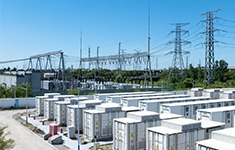
Utility-Scale Energy Storage
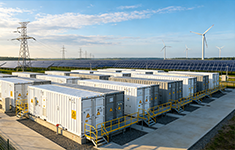
Solar + Storage Power Plants

Wind + Storage Systems
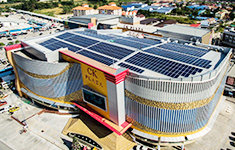
Commercial & Industrial ESS

Microgrid Energy Systems
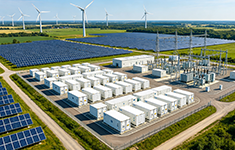
Peak Shaving & Load Shifting
[ TECHNICAL PRINCIPLES ]
Why Choose a Liquid-cooled Battery Cabinet Over Air-cooled Racks?
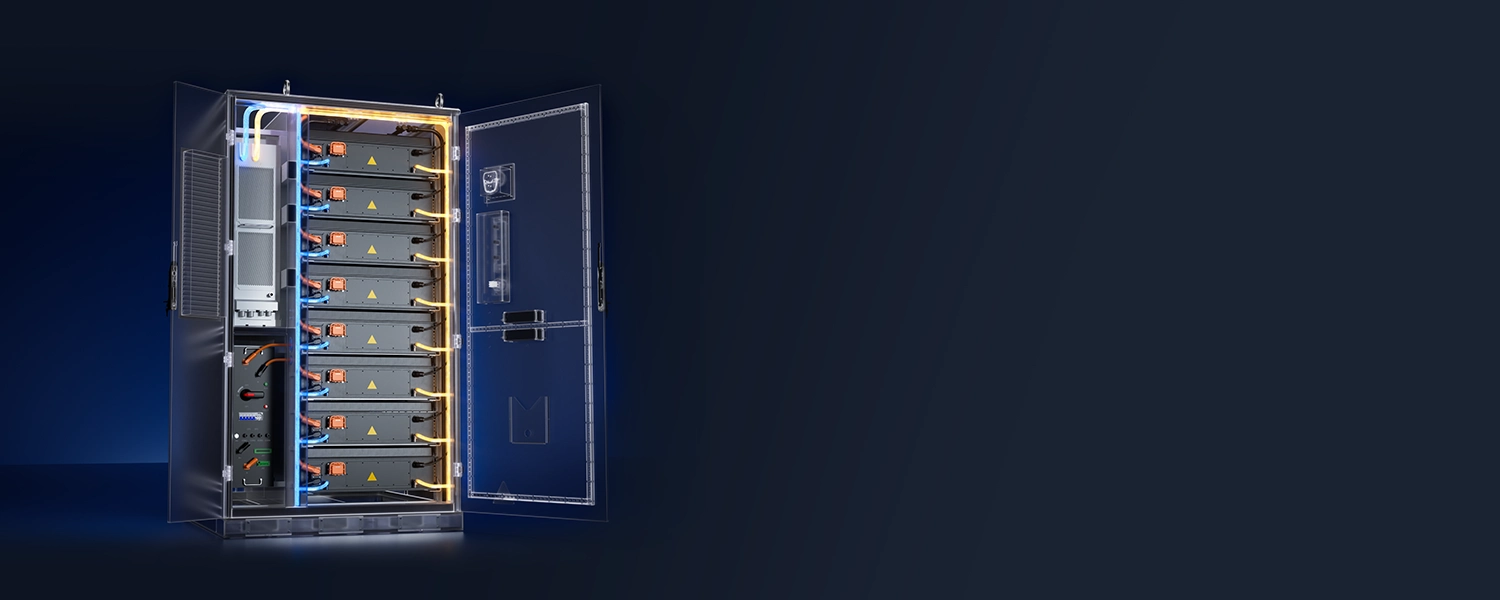
Pack-Level Liquid Cooling for More Consistent, More Reliable Performance
Cell temperature imbalance is one of the biggest drivers of premature capacity fade in large battery cabinets. The Liquid-cooled Battery Cabinet applies pack-level liquid cooling with intelligent thermal management, keeping cell temperature variation tightly controlled. Combined with a modular architecture and integrated safety protection, it delivers higher usable energy density, longer battery life, and more predictable performance for large-scale energy storage deployments.
[ DIGITAL ENERGY MANAGEMENT ]
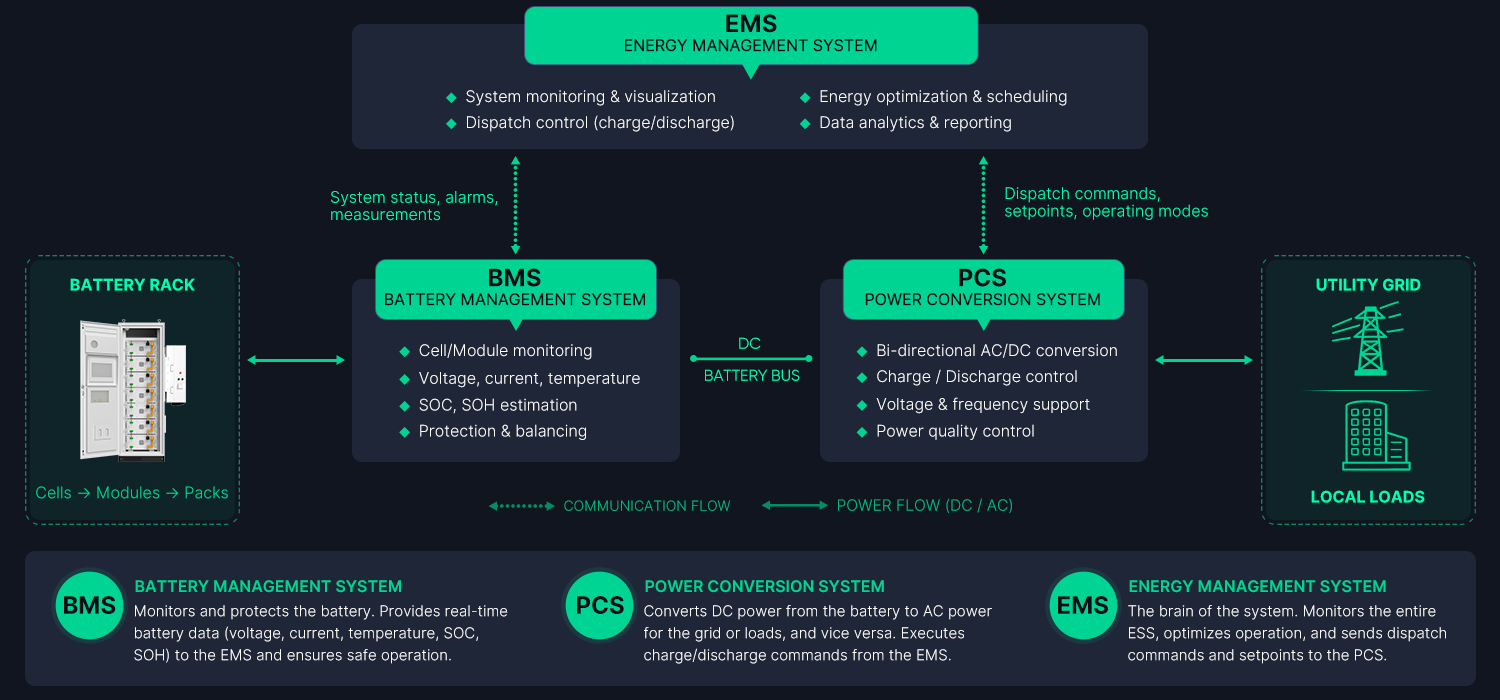
Integrated 3S Architecture (BMS + EMS + PCS) for Smarter System Control
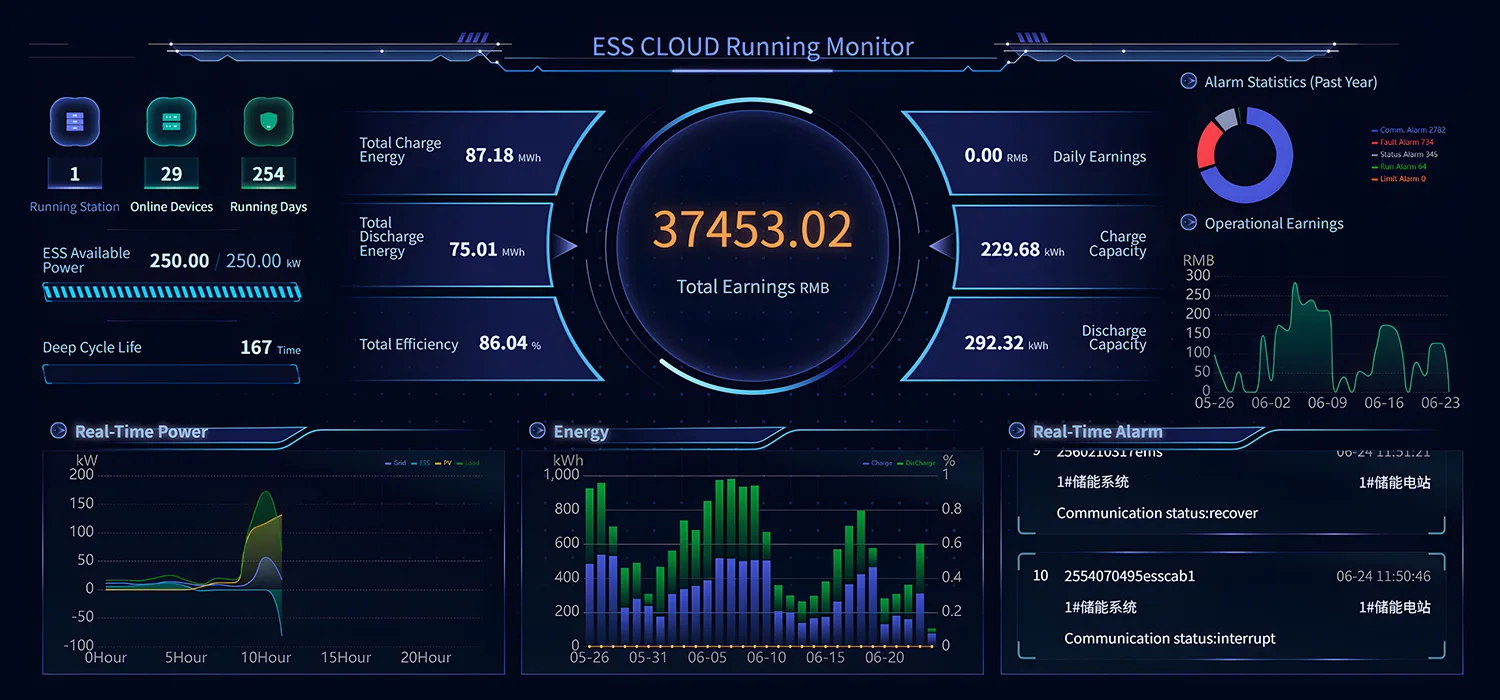
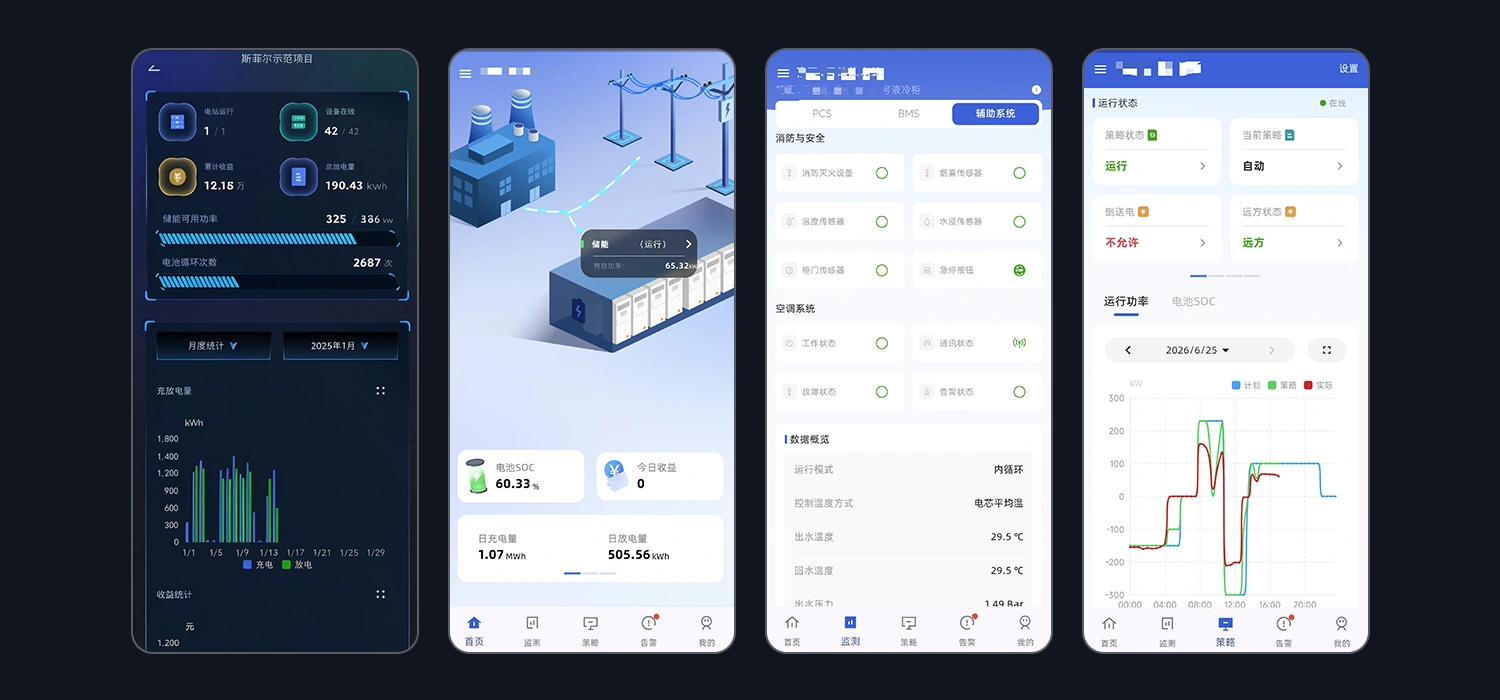
The Liquid-cooled Battery Cabinet runs on an integrated 3S architecture — BMS, EMS, and optional external PCS working in coordination to monitor battery performance and system status at the cell, module, and system level in real time. That layered visibility helps operators optimize dispatch, catch anomalies early, and keep C&I and utility-scale ESS projects running safely and efficiently.
[ PRODUCT COMPOSITION ]
Core Components Inside the Liquid-cooled Battery Cabinet
The battery pack, high-voltage box, and liquid cooling system inside every Liquid-cooled Battery Cabinet are engineered as one integrated system — not separately sourced parts — to deliver stable performance, efficient thermal management, and reliable power distribution over the project's full service life.
Battery Pack
HV Box
Liquid Cooling Chiller
-
101 kWh
Capacity
-
101 kWh
Capacity
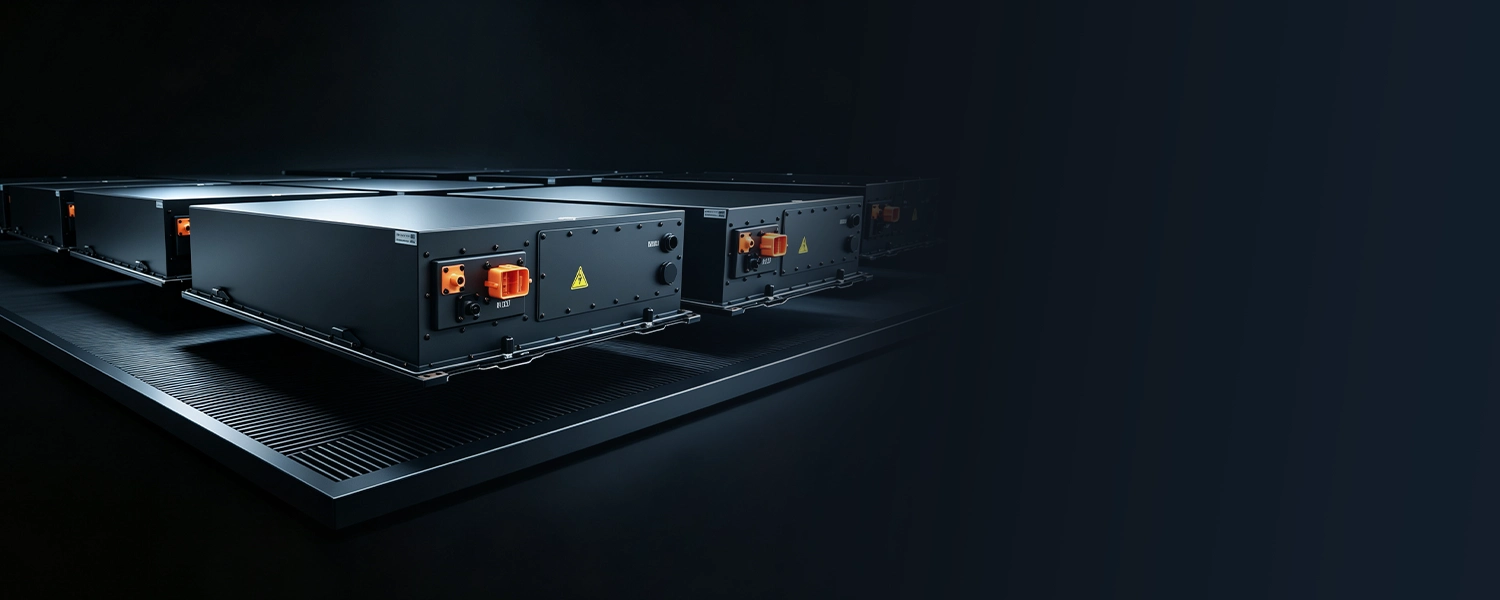
LiFePO₄ Battery Pack
Built with Grade-A 314Ah LFP cells, the battery pack uses a 52.248 kWh modular configuration rated for 8,000+ cycles. The optimized internal design balances high energy density with a long service life, giving project owners a more predictable degradation curve for financial modeling.
-
101 kWh
Capacity
-
101 kWh
Capacity
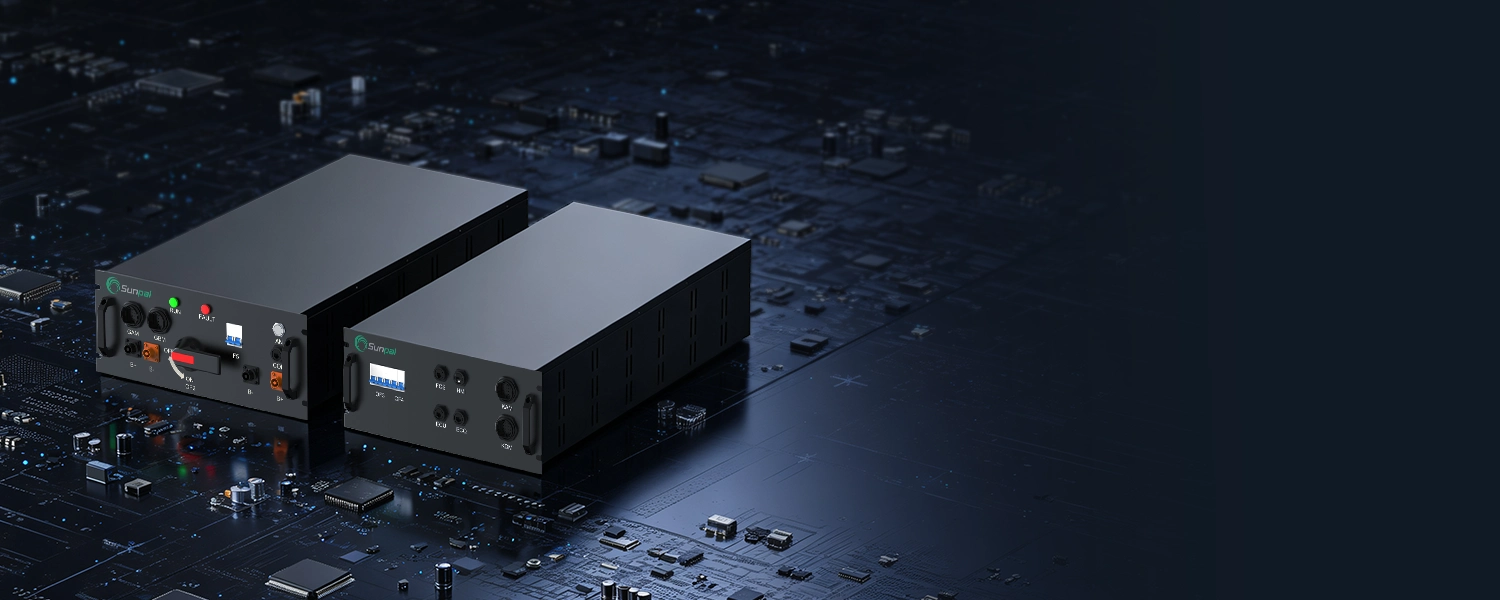
High-voltage Box
The high-voltage box manages DC power distribution, system protection, and communication interfaces in a single unit, enabling a stable, low-loss connection between battery packs and centralized PCS systems for flexible energy storage deployment.
-
101 kWh
Capacity
-
101 kWh
Capacity
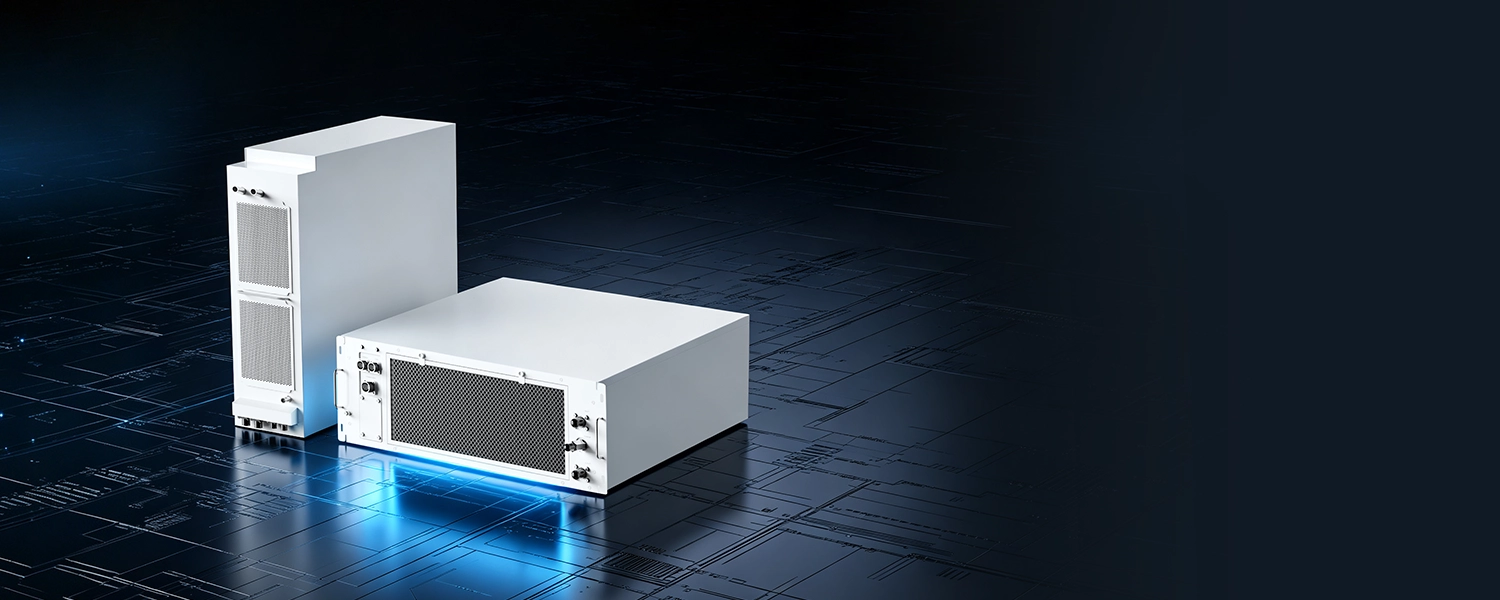
Liquid Cooling System
The pack-level liquid cooling system holds cell temperature differences within 3°C through precise thermal management, improving battery consistency, safety margins, and long-term system reliability — a key differentiator when comparing liquid-cooled vs. air-cooled battery cabinets.
[ SAFETY ARCHITECTURE ]
Five-Level Safety Protection, From Pack to Cabinet
The Liquid-cooled Battery Cabinet is built around a comprehensive five-level safety architecture that combines intelligent battery monitoring, early hazard detection, and active fire suppression. Each protection layer addresses a different failure mode, minimizing operational risk and helping ensure safe, stable performance throughout the system's lifecycle.
-
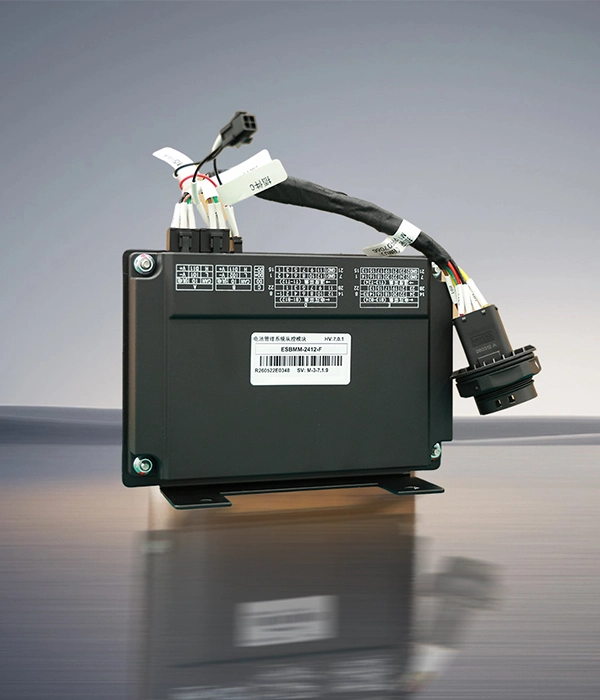
Pack-Level BMS
Continuously monitors cell voltage, current, and temperature while balancing battery packs in real time. Intelligent protection algorithms help prevent overcharge, over-discharge, overheating, and other abnormal operating conditions.
-
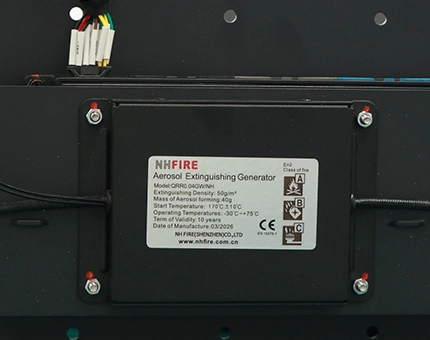
Pack-Level Aerosol Fire Suppression
Each battery pack is equipped with an independent aerosol fire suppression unit, enabling rapid response to localized thermal events before they can spread to adjacent battery modules.
-
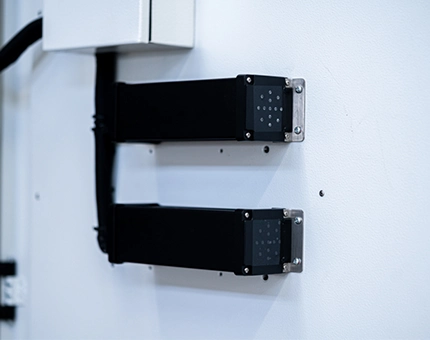
Cabinet-Level Aerosol Protection
A dedicated cabinet-level aerosol system provides secondary fire suppression for the entire enclosure, enhancing overall system safety and minimizing the impact of unexpected faults.
-
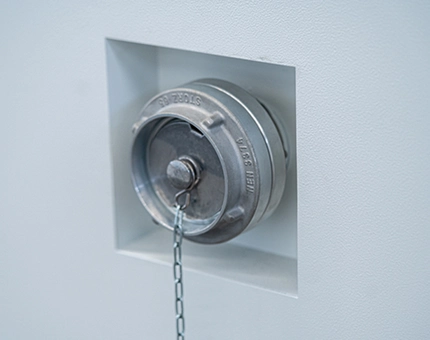
Water Fire Protection
An integrated water-based fire suppression system delivers additional emergency protection by controlling heat propagation and supporting comprehensive fire mitigation within the cabinet.
-
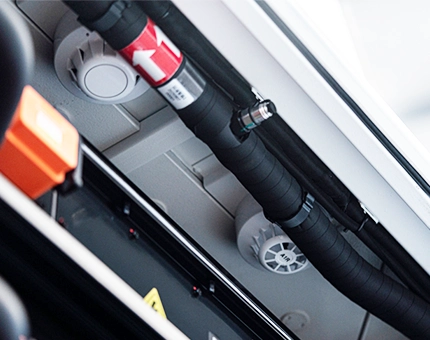
Smoke & Temperature Detection
High-sensitivity smoke and temperature sensors continuously monitor internal operating conditions. Early warning signals allow the system to detect potential risks promptly and activate protective measures automatically.
[ STRATEGIC PARTNERS ]
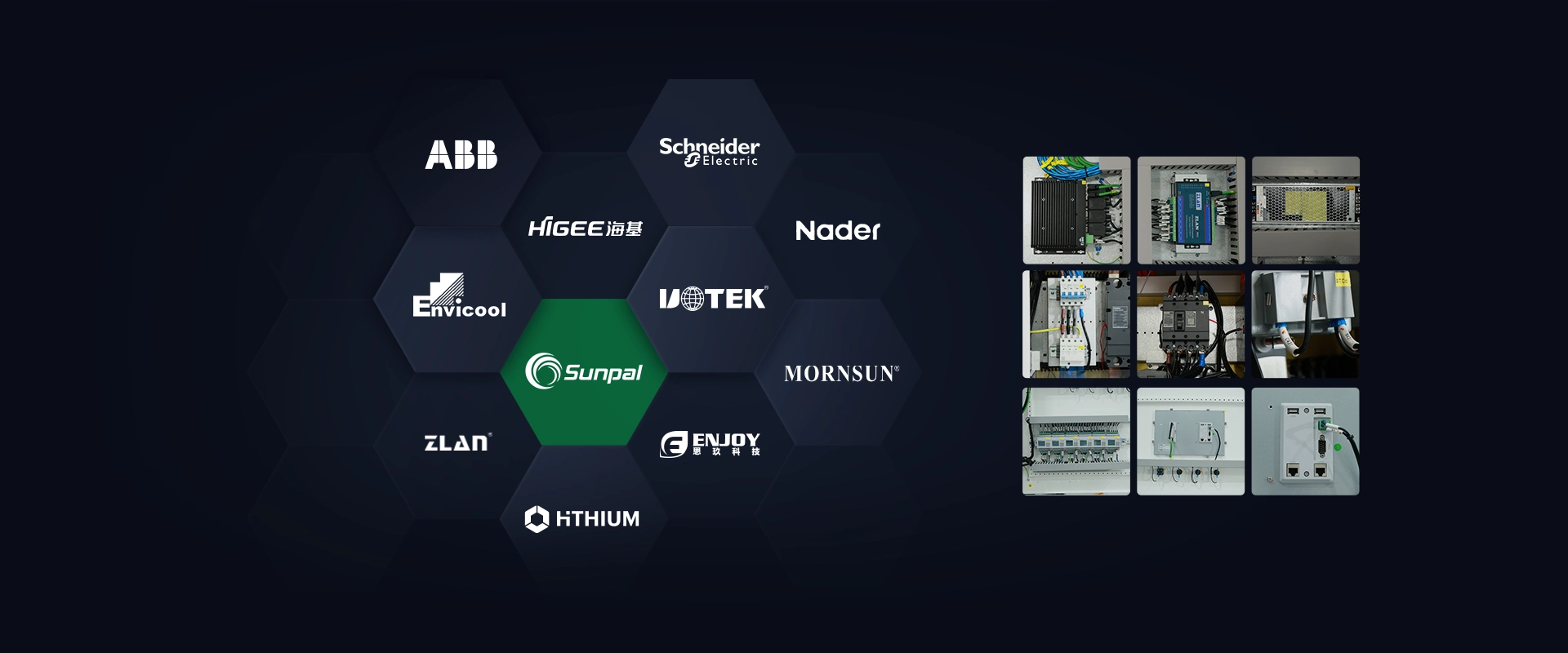
Powered by Trusted Global Component Brands
From battery cells and PCS to circuit protection and thermal management hardware, every core component in the Liquid-cooled Battery Cabinet is sourced from established industry brands — giving project owners verifiable performance data, dependable safety margins, and long-term component availability for utility-scale and C&I deployments.
[ KNOWLEDGE CENTER ]
Frequently Asked Questions
Everything You Need to Know About the Liquid-cooled Battery Cabinet
-
What is a Liquid-cooled Battery Cabinet?
A Liquid-cooled Battery Cabinet is a high-density DC energy storage unit that uses liquid cooling to maintain stable battery temperatures at the pack level. It's designed to pair with centralized PCS systems for commercial and utility-scale energy storage applications.
-
How does liquid cooling improve battery cabinet performance compared with air cooling?
Liquid cooling transfers heat directly from battery packs through a dedicated coolant loop, improving temperature uniformity and reducing thermal stress compared with fan-based air cooling. That translates into more consistent cell performance, longer battery life, and higher overall system reliability.
-
What is the advantage of the ECO-B418LP-2N's liquid cooling design?
The ECO-B418LP-2N uses pack-level liquid cooling to keep cell temperature differences within 3°C. That tighter thermal control improves battery consistency and supports a rated cycle life of 8,000+ cycles for long-term operation.
-
What battery cells does the Liquid-cooled Battery Cabinet use?
The ECO-B418LP-2N uses Grade-A 314Ah LFP cells from CATL, EVE, HITHIUM, and REPT — a combination chosen for high safety margins, strong thermal stability, and long cycle performance in large-scale energy storage projects.
-
Can the Liquid-cooled Battery Cabinet connect to a centralized PCS?
Yes. It's purpose-built for seamless connection to centralized PCS systems, and multiple cabinets can be paralleled to reach the exact capacity a larger ESS project requires.
-
What safety features does the Liquid-cooled Battery Cabinet include?
The cabinet integrates several layers of protection, including aerosol fire suppression, an IP55-rated enclosure, continuous temperature monitoring, and intelligent battery management, all working together to reduce thermal risk during operation.
-
What environments is the Liquid-cooled Battery Cabinet rated for?
The ECO-B418LP-2N operates from -25℃ to 55℃, supports installation up to 4,500m altitude, and carries a C4 anti-corrosion rating, making it suitable for a wide range of outdoor energy storage sites.
-
What applications suit the Liquid-cooled Battery Cabinet?
It's well suited to utility-scale storage, solar-plus-storage projects, wind energy storage, commercial and industrial ESS, and microgrid applications that need high energy density with scalable capacity.

Looking for the Right Liquid-cooled Battery Cabinet for Your Project?
Share your project requirements and we'll put together a customized Liquid-cooled Battery Cabinet configuration, competitive pricing, and expert technical support for your energy storage project.
GET A QUOTE → View All ESS Cabinets