
ALL-IN-ONE ESS CONTAINER > LIQUID-COOLED BATTERY
Liquid-cooled Battery Containers for C&I and Utility-scale ESS Projects
SUNPAL ESS liquid-cooled battery containers are available from 723 kWh to 5.015 MWh, integrating 314Ah LFP battery cells, intelligent thermal management, fire protection, and IP55 outdoor enclosures for commercial, industrial, and grid-scale energy storage projects. Built for EPCs, distributors, wholesalers, and project owners seeking reliable BESS supply, scalable deployment, and optimized energy storage cost.
-
2 Models
Available
-
723 kWh–5.015 MWh
Capacity Range
-
314Ah
LFP Battery Cells
-
8,000+
Cycle Life
-
≥88%
System Efficiency
-
IP55
Outdoor Protection
[ SYSTEM ARCHITECTURE ]
Typical Connection for Liquid-cooled Battery Container Systems
CubePal liquid-cooled battery containers can be integrated with solar PV, wind power, PCS, transformers, EMS, generators, and utility grids to build complete containerized BESS solutions. The modular design supports EPC projects, wholesale distribution, and scalable deployment for commercial, industrial, and utility-scale energy storage with optimized system cost and reliable power control.
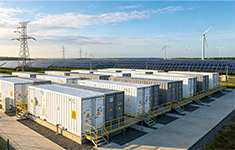
Solar PV + Energy Storage

Wind Power Integration
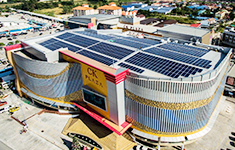
C&I Battery Energy Storage
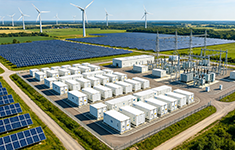
Peak Shaving & Load Shifting
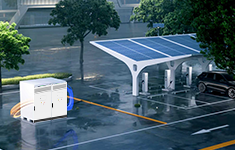
EV Charging Station ESS
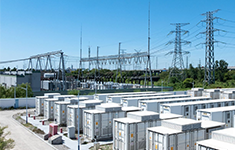
Utility Grid Support
[ TECHNICAL PRINCIPLES ]
Why Choose a Liquid-cooled Battery Container?
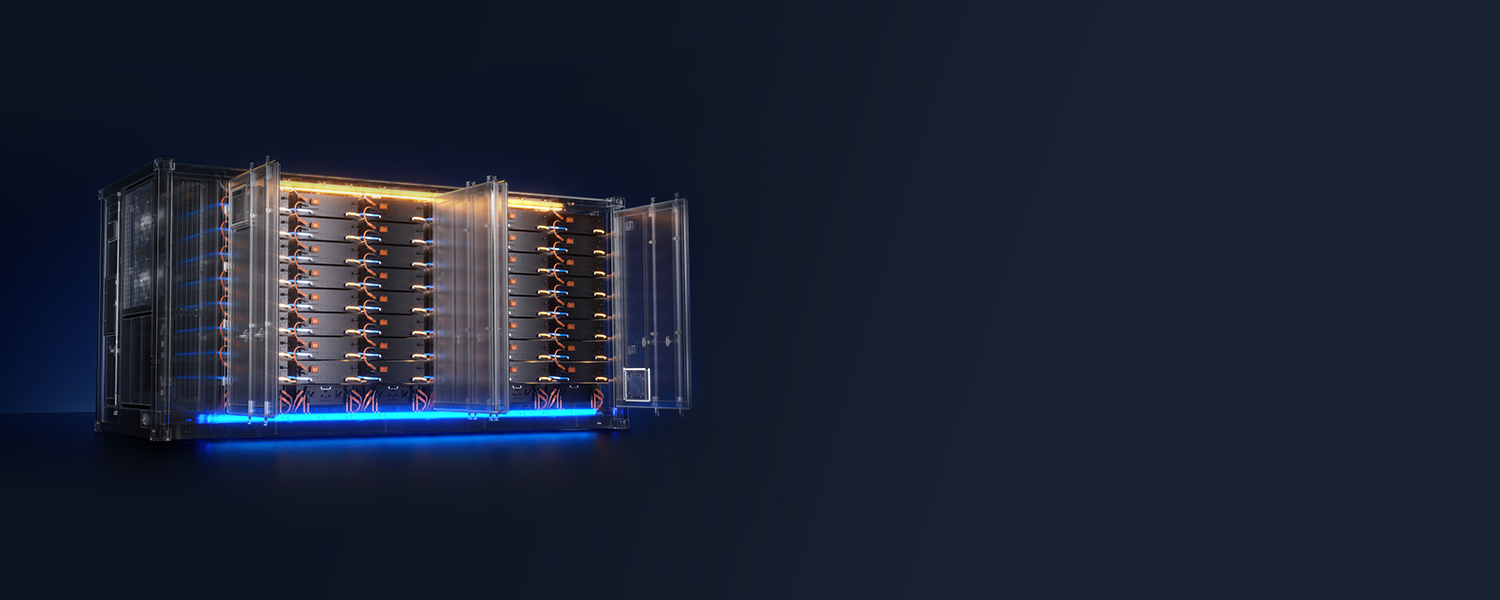
Precision Thermal Control for High-capacity BESS Projects
A liquid-cooled battery container uses circulating coolant to transfer heat away from LFP battery modules more evenly than traditional air cooling. By keeping cell temperature differences within a tighter range, SUNPAL ESS containerized BESS helps improve battery consistency, reduce auxiliary power consumption, lower operating noise, and support long-term safety for C&I and utility-scale energy storage projects. It is a practical choice for EPC contractors, distributors, and wholesale buyers looking for stable performance and optimized ESS lifecycle cost.
[ DIGITAL ENERGY MANAGEMENT ]
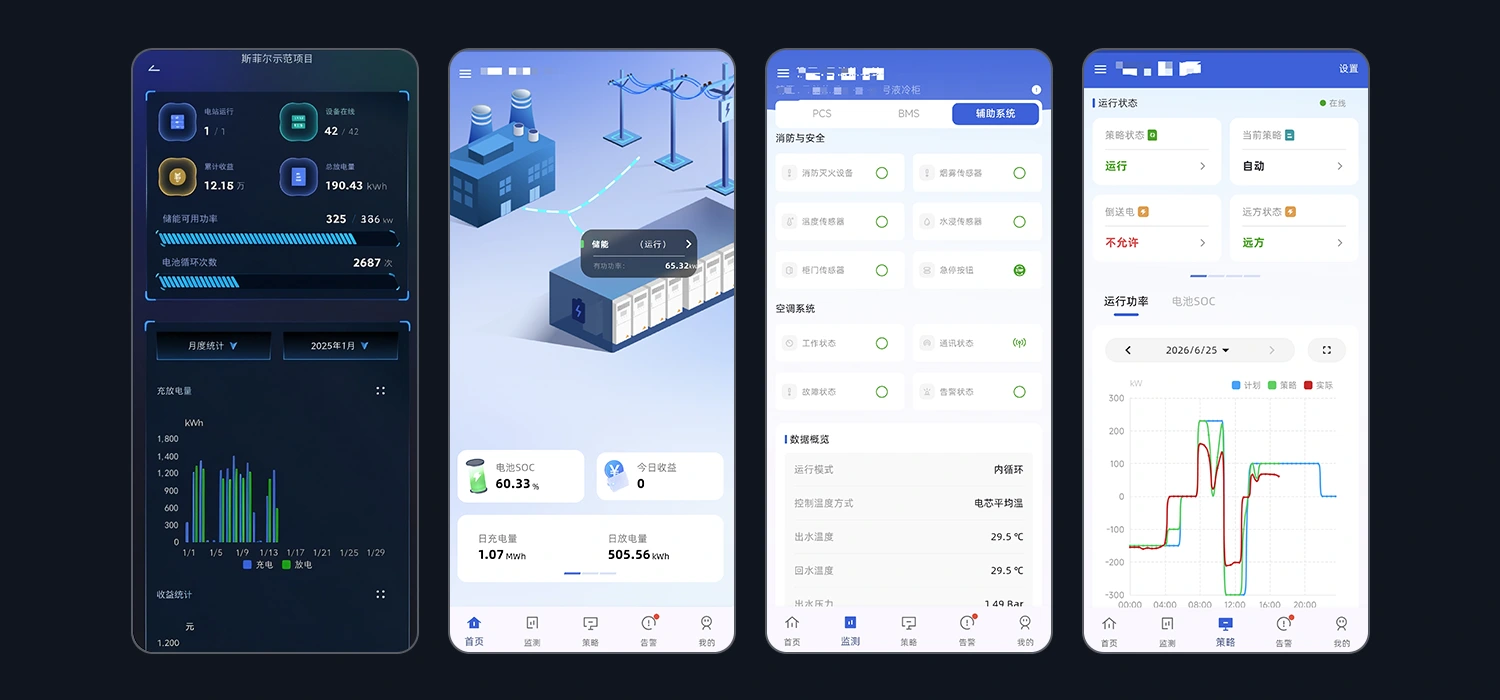
3S Intelligent Control for Liquid-cooled BESS Containers
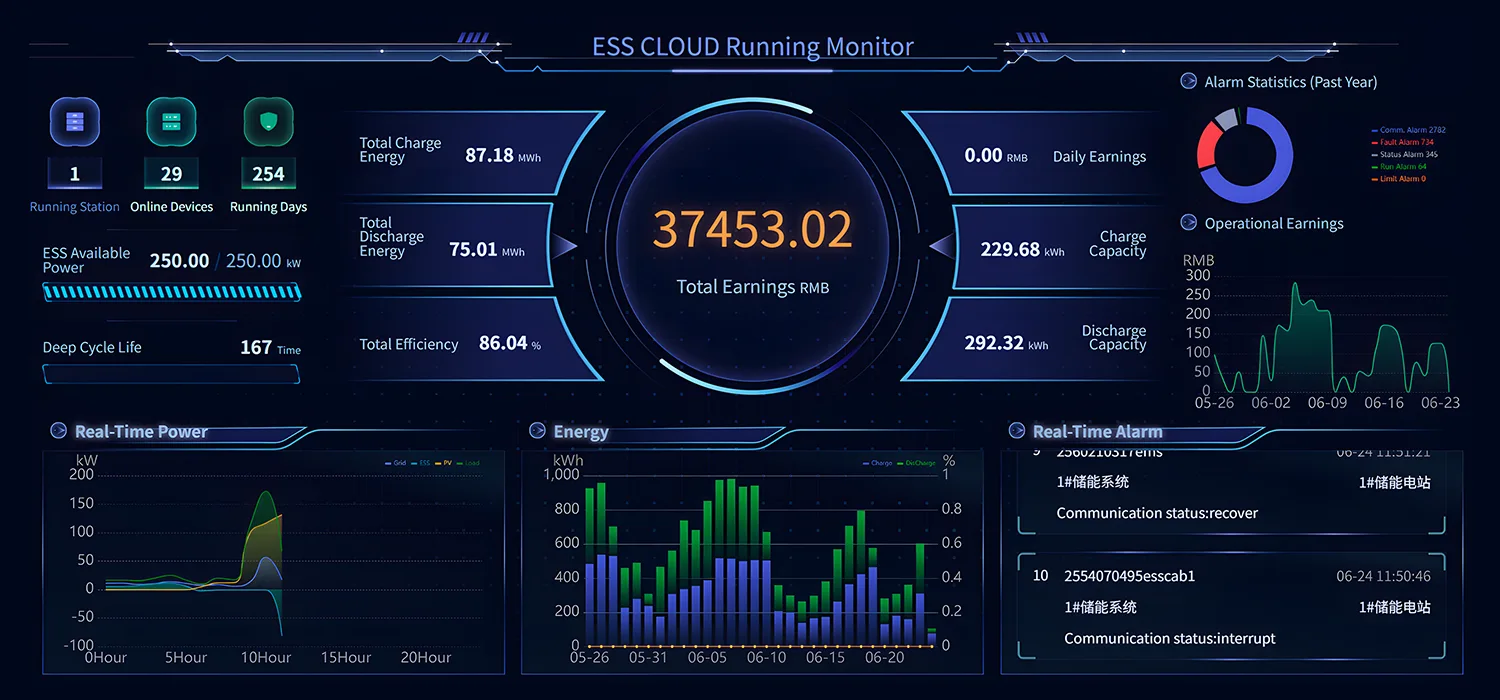
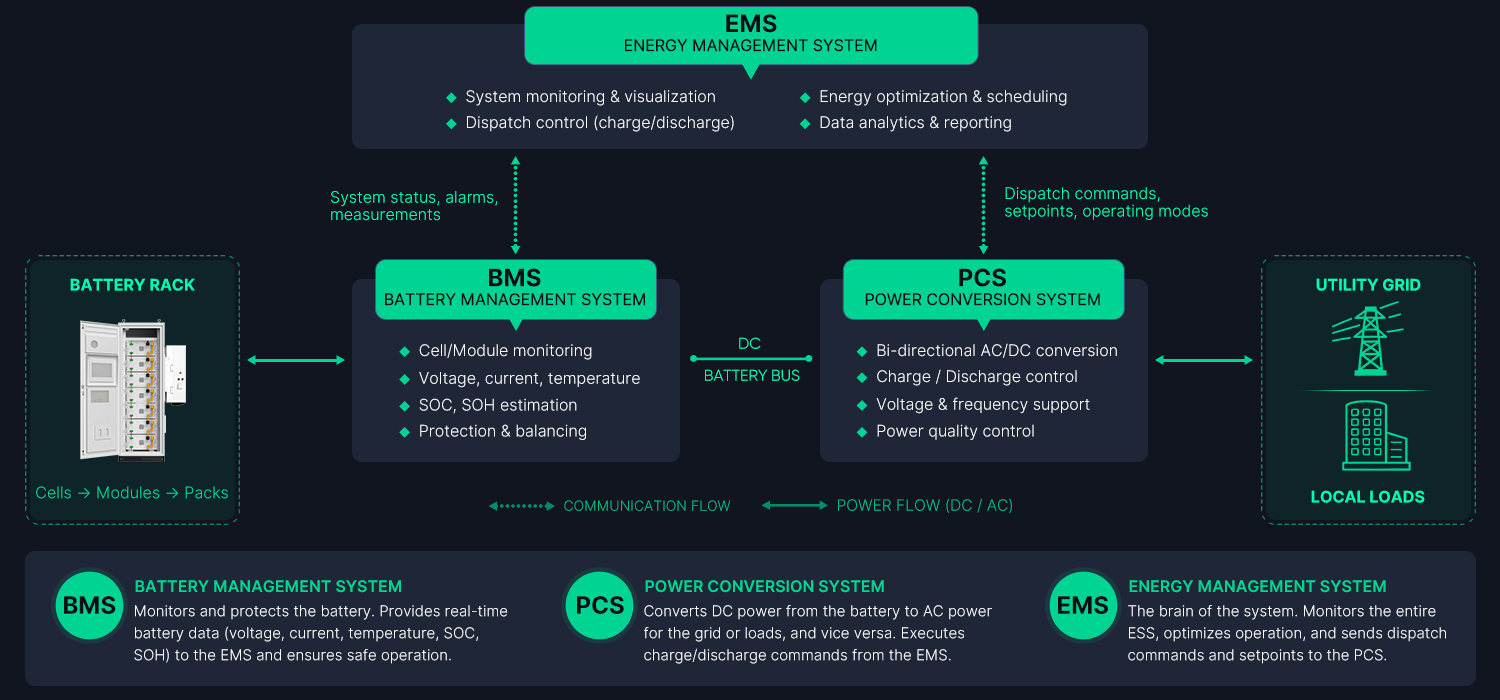
SUNPAL ESS liquid-cooled battery containers integrate BMS, EMS, and optional external PCS into a coordinated 3S architecture for safer battery operation and smarter energy dispatch. The three-tier BMS monitors battery cells, modules, and system-level status in real time, while EMS optimizes charging, discharging, peak shaving, backup power, and renewable energy integration for C&I and utility-scale ESS projects.
[ PRODUCT COMPOSITION ]
Core Components of Liquid-cooled Battery Containers
SUNPAL ESS liquid-cooled battery containers combine LFP battery packs, high-voltage control, air-cooled auxiliary systems, and intelligent liquid cooling into one containerized BESS platform. The integrated design helps EPCs, distributors, and wholesale buyers achieve stable performance, safer power distribution, faster deployment, and optimized energy storage system cost.
Battery Pack
HV Box
Air-cooled AC
Liquid Cooling Chiller
-
101 kWh
Capacity
-
101 kWh
Capacity
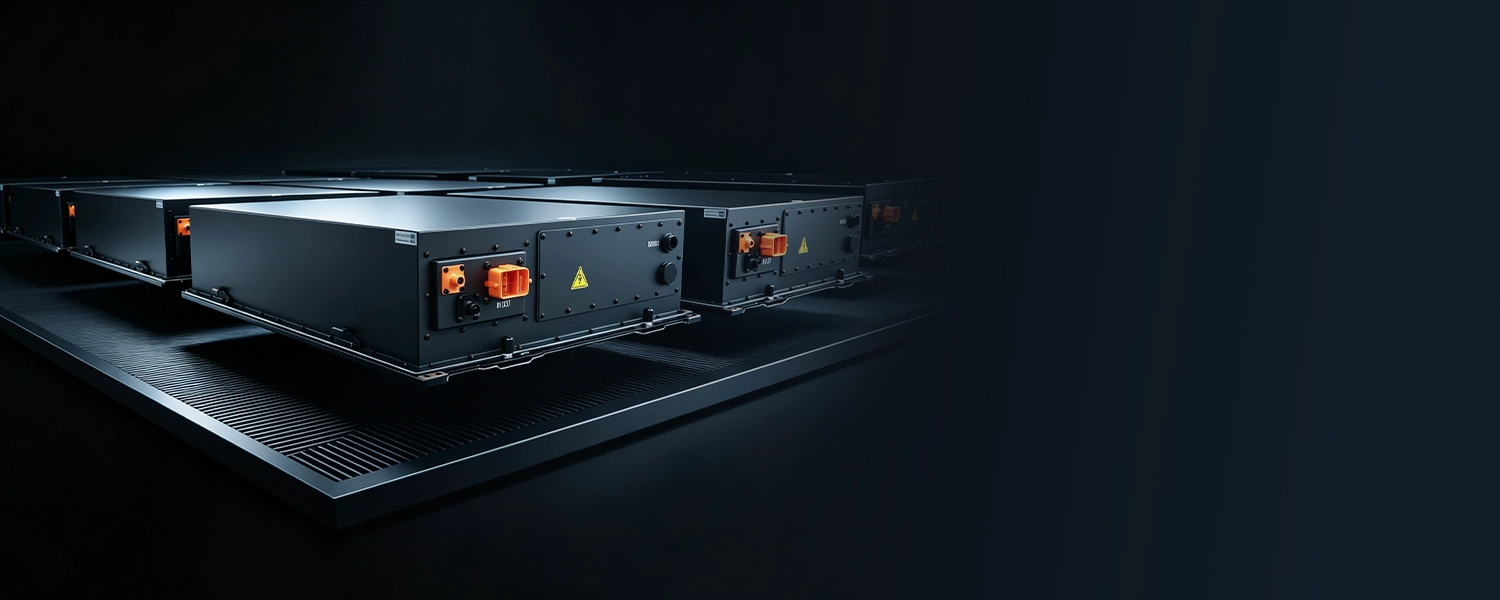
314Ah LiFePO4 Battery Pack
Built with Grade-A 314Ah LiFePO4 cells, the modular battery pack delivers high energy density, stable cycling performance, and real-time battery monitoring. Its protected pack structure supports long-term operation in C&I and utility-scale battery energy storage projects.
-
101 kWh
Capacity
-
101 kWh
Capacity
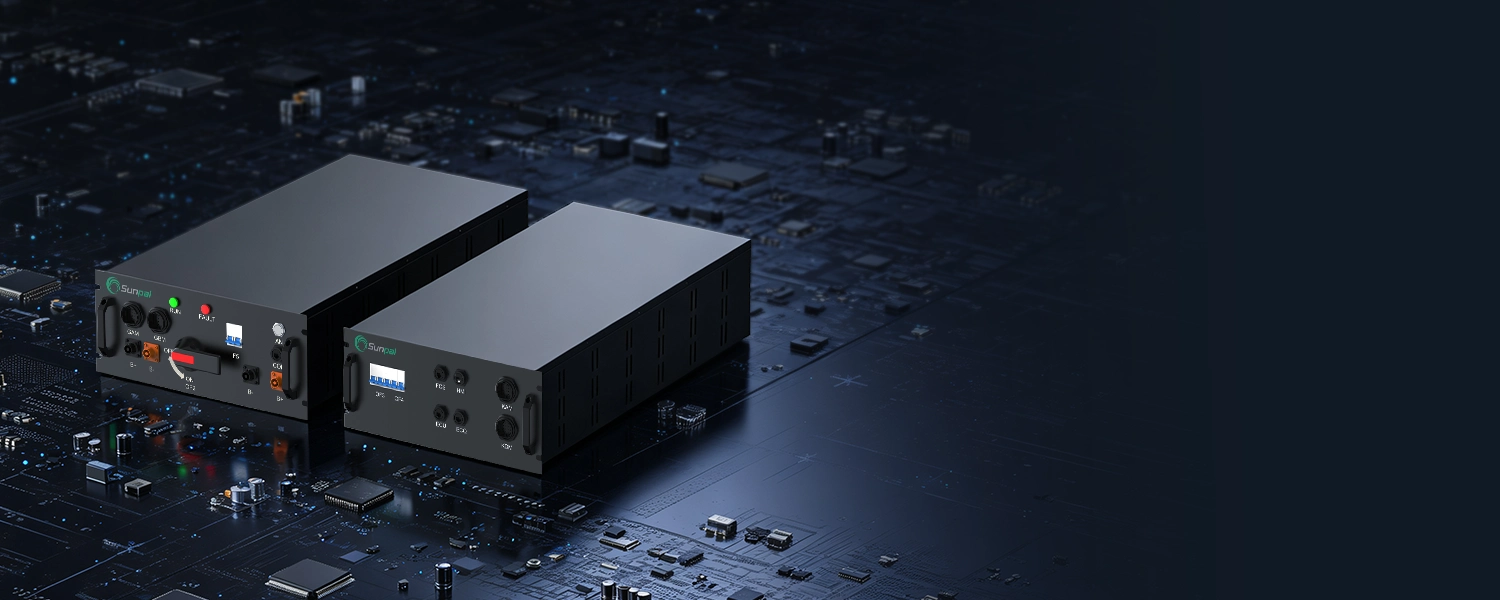
High-voltage Control Box
The HV box manages DC power distribution, voltage/current monitoring, insulation protection, and system-level safety control. It enables reliable energy transmission between battery packs and PCS for high-voltage liquid-cooled ESS container applications.
-
101 kWh
Capacity
-
101 kWh
Capacity
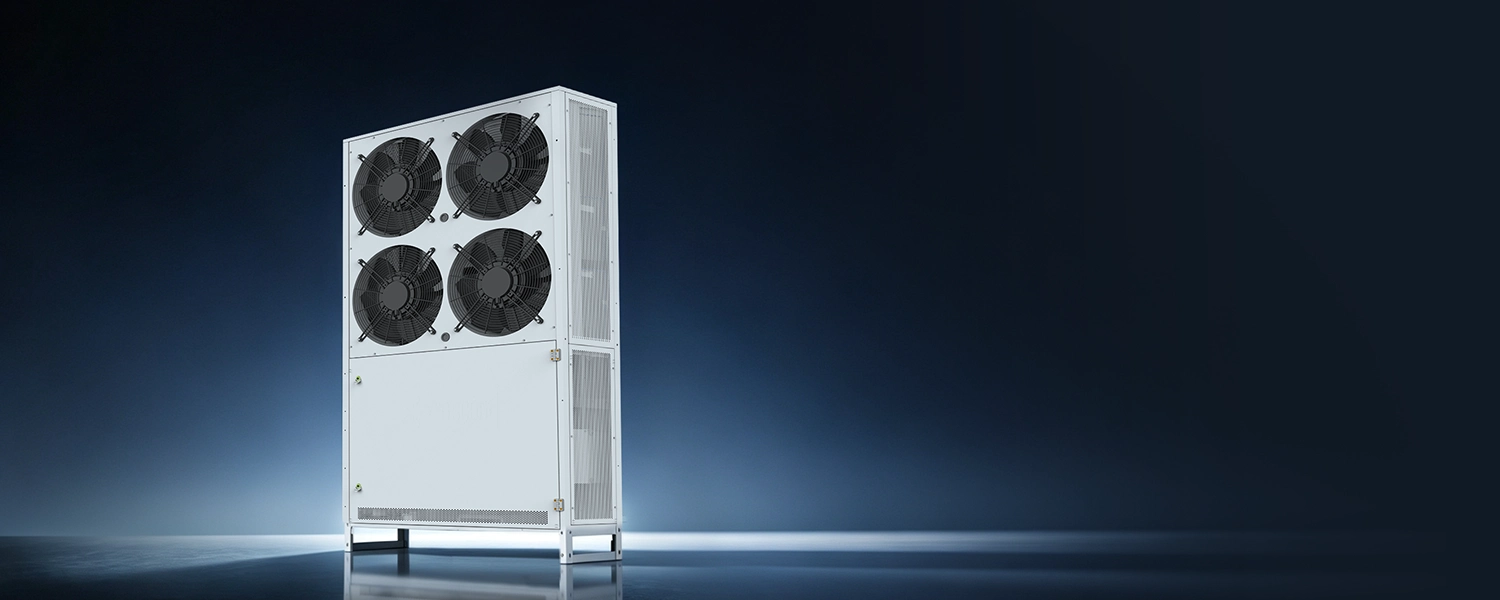
Auxiliary Air Cooling Unit
The air-cooled AC system supports electrical compartment temperature control and auxiliary equipment protection. It helps maintain stable operation for PCS, EMS, and control components inside containerized energy storage systems.
-
101 kWh
Capacity
-
101 kWh
Capacity
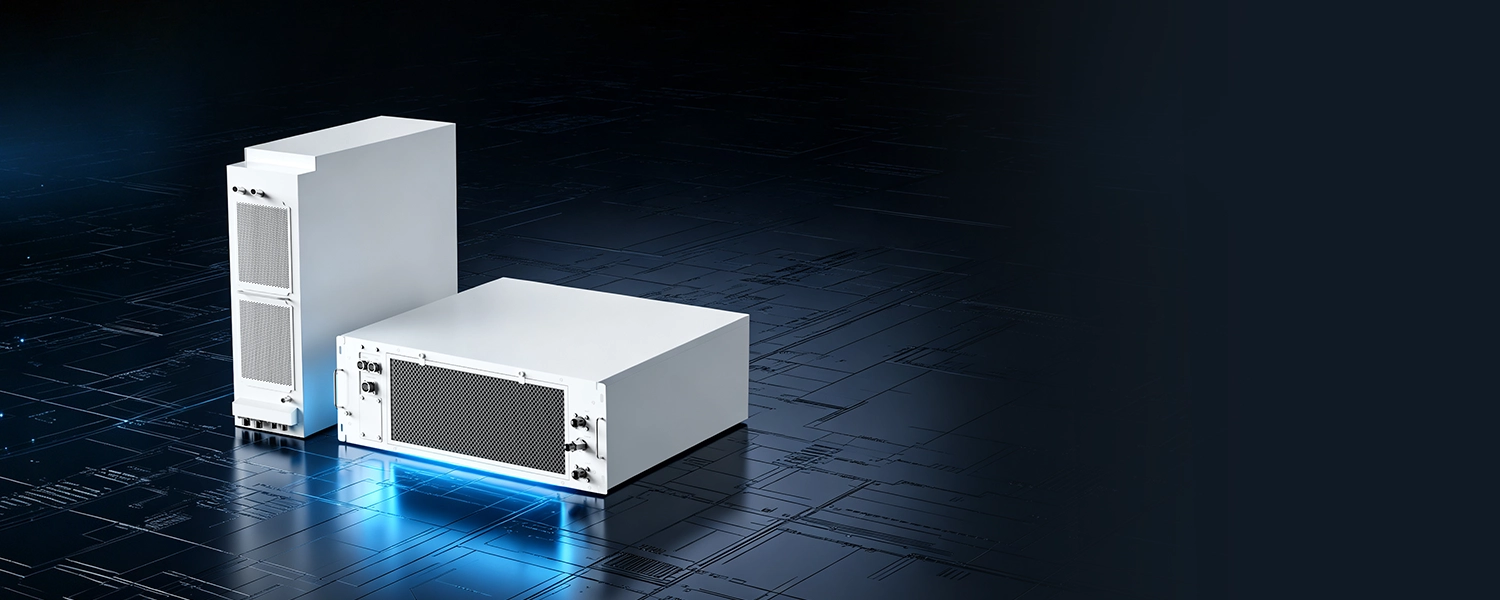
Intelligent Liquid Cooling Chiller
The liquid cooling chiller uses circulating coolant and variable-frequency control to remove battery heat efficiently. By reducing cell temperature differences, it improves battery consistency, system efficiency, safety, and long-term BESS lifecycle value.
[ SAFETY ARCHITECTURE ]
Five-Level Safety Protection, From Battery Pack to Full Container
Battery safety is usually the first question project owners ask about large-scale energy storage — and the liquid-cooled battery container answers it with five independent layers of protection working together: intelligent monitoring, early-stage fault detection, and active fire suppression at both the pack and cabinet level. Each layer is designed to catch a different failure mode, so a single point of failure doesn't compromise the whole system.
-
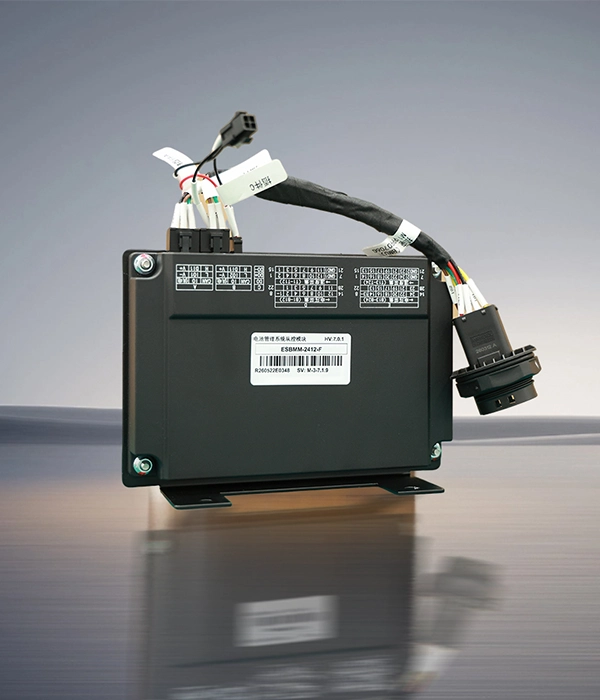
Pack-Level BMS
Continuously monitors cell voltage, current, and temperature while actively balancing battery packs in real time. Intelligent protection algorithms detect and respond to overcharge, over-discharge, overheating, and other abnormal conditions before they escalate.
-
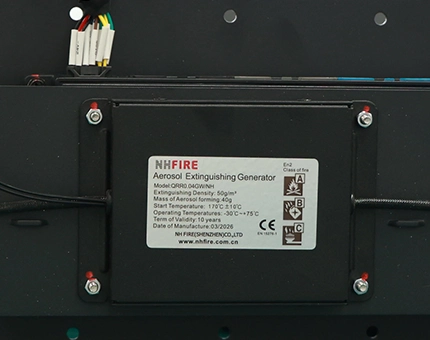
Pack-Level Aerosol Fire Suppression
Each battery pack carries its own independent aerosol fire suppression unit, allowing a rapid, localized response to thermal events before they can spread to neighboring battery modules.
-
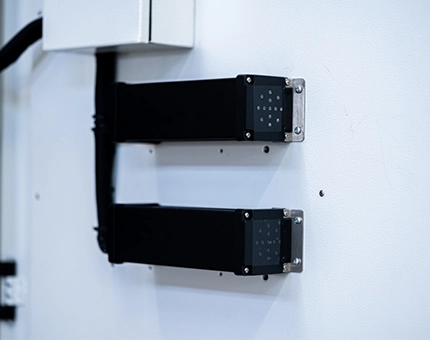
Cabinet-Level Aerosol Protection
A dedicated cabinet-level aerosol system provides a second layer of fire suppression across the entire enclosure, reducing the operational impact of any unexpected fault.
-
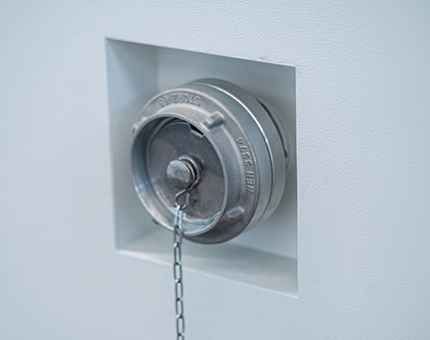
Water Fire Protection
An integrated water-based fire suppression system adds a further layer of emergency response, helping control heat propagation and supporting comprehensive fire mitigation inside the container.
-
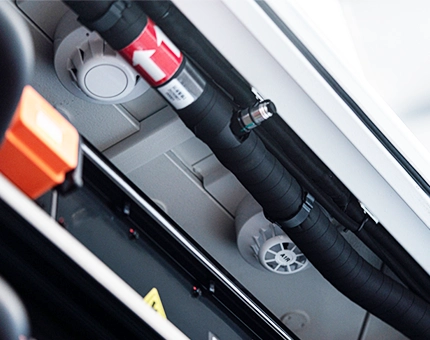
Smoke & Temperature Detection
High-sensitivity smoke and temperature sensors continuously track internal conditions, triggering early warnings and automatic protective actions the moment a potential risk is detected.
[ STRATEGIC PARTNERS ]
Powered by Trusted Global Component Brands
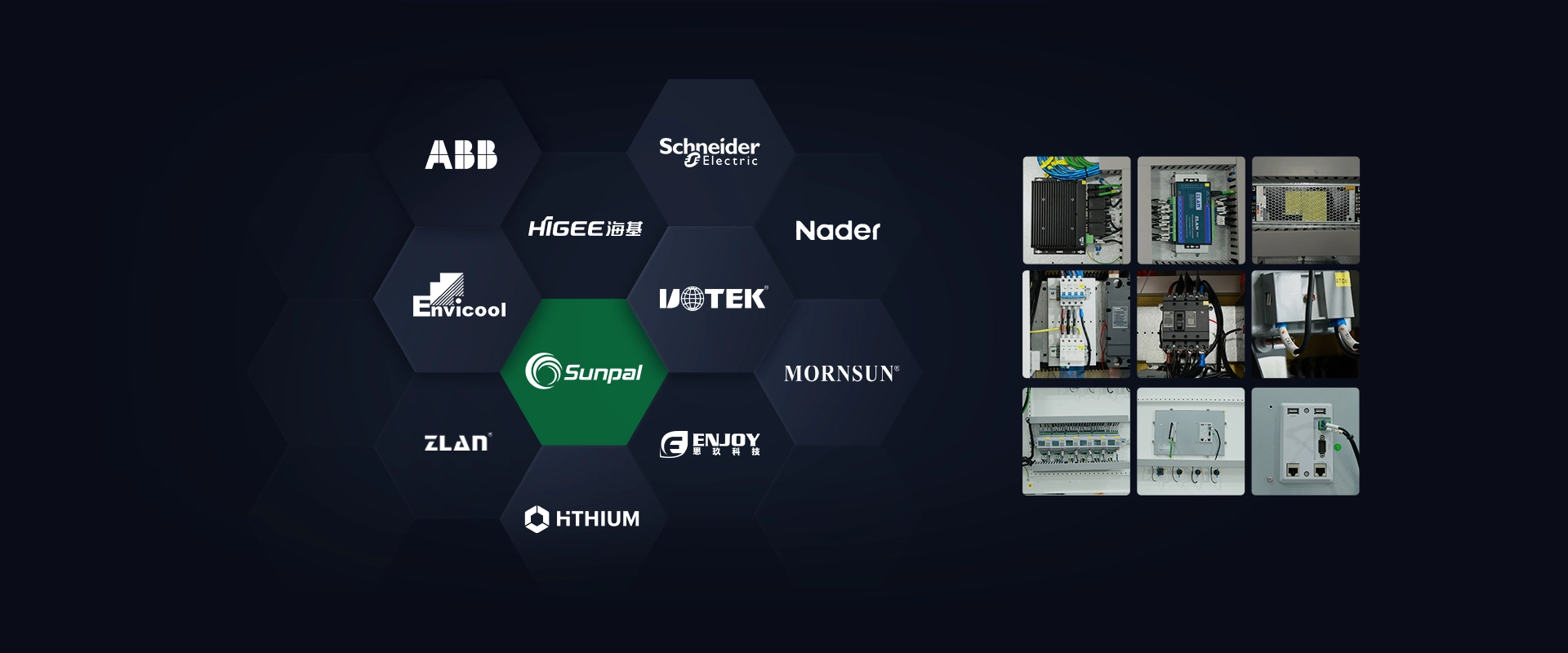
Sourcing decisions matter just as much as system design. Every core component in the liquid-cooled battery container — from battery cells and optional external PCS to circuit protection and thermal management hardware — comes from established industry brands, so project owners get dependable performance, verifiable safety data, and long-term parts availability, not unproven house-brand substitutes.
[ KNOWLEDGE CENTER ]
Frequently Asked Questions
Everything You Need to Know Before Choosing a Liquid-cooled Battery Container
-
What is a liquid-cooled battery container?
A liquid-cooled battery container is a containerized battery energy storage system (BESS) that combines battery racks, liquid thermal management, BMS, power distribution, and fire safety systems inside one enclosure, purpose-built for large-scale commercial, industrial, and utility energy storage projects.
-
What are the advantages of liquid cooling over air cooling in a battery container?
Liquid cooling removes heat through direct coolant circulation, giving more efficient heat dissipation and far better temperature uniformity than traditional air cooling. In practice, this means more consistent cell performance, less thermal stress on the battery, and a longer usable system life.
-
What battery cells are used inside the liquid-cooled battery container?
The CubePal Series uses Grade-A 314Ah LiFePO₄ prismatic cells sourced from CATL, EVE, HITHIUM, and REPT, chosen for high energy density, strong thermal stability, and reliable cycle performance in long-duration energy storage applications.
-
What battery container capacity options does SUNPAL ESS offer?
The CubePal Series is available from 723kWh up to 5.015MWh per container, covering commercial, industrial, and utility-scale projects with a single, standardized platform instead of a fully custom build.
-
How safe is a liquid-cooled battery energy storage container?
Safety is built in at multiple levels — intelligent BMS monitoring, pack- and cabinet-level aerosol fire suppression, water-based fire protection, an IP55-rated enclosure, and continuous smoke/temperature detection, all working together to catch and contain thermal risks early.
-
What operating environments can a liquid-cooled battery container handle?
The CubePal Series is engineered for demanding outdoor conditions, with an operating temperature range of -25°C to 55°C, tolerance for up to 95% relative humidity, and support for high-altitude deployment with appropriate derating.
-
How long does a liquid-cooled battery container last?
The utility-scale CubePal system is rated for 8,000+ cycles under specified conditions. Advanced liquid thermal management helps keep cells balanced over time, which supports consistent performance and a longer service life than air-cooled alternatives.
-
Can a liquid-cooled battery container be integrated with solar, wind, or grid infrastructure?
Yes. The container is designed to connect with PV systems, wind power, PCS, EMS, and grid infrastructure, supporting renewable energy storage, peak shaving, backup power, and grid stabilization applications in one flexible platform.

Looking for the Right Liquid-cooled Battery Container for Your Project?
Tell us your power requirements, project location, and application — and we'll put together a customized liquid-cooled battery container configuration, transparent pricing, and technical support tailored to your energy storage project.
GET A QUOTE → View All ESS Cabinets