
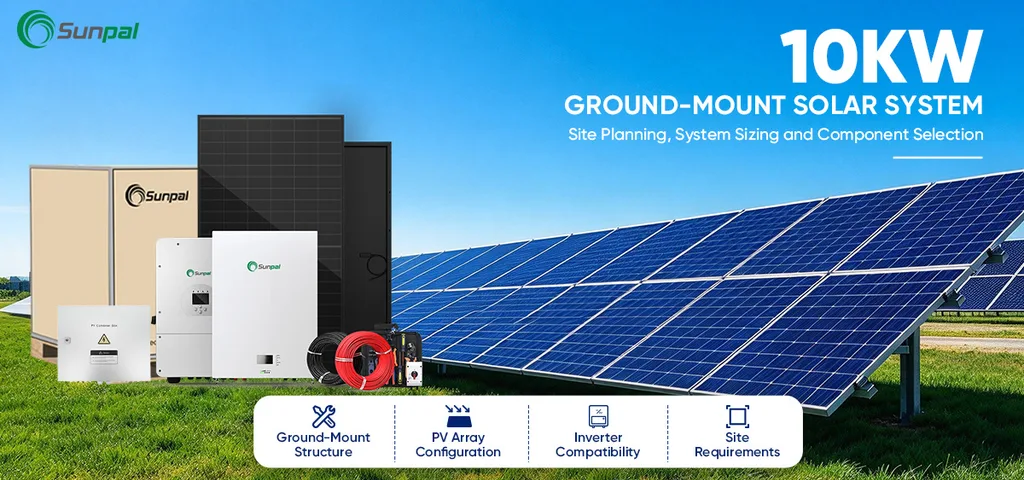
Wholesale solar system kits give distributors a way to offer coordinated solar equipment packages to installers, resellers, contractors, and end customers. However, choosing the right product range involves more than comparing unit prices. Distributors must consider customer demand, system configuration, inverter compatibility, battery options, product documentation, and the supplier's ability to support repeat orders.
A product portfolio that works for one customer segment may not suit another. Residential customers may prioritize straightforward installation and backup power, while agricultural businesses and remote-site operators may require off-grid configurations. Commercial customers may need larger systems with more specific electrical and energy-management requirements.
For distributors, the objective is to build a practical product portfolio that balances customer needs, procurement costs, technical compatibility, and inventory requirements. For a broader overview of system types, configurations, and purchasing considerations, see our guide to complete solar power systems. This article focuses specifically on how distributors can select wholesale solar system kits, compare battery options, evaluate suppliers, and prepare for bulk orders.
What Problem Do Wholesale Solar System Kits Solve for Distributors?
Purchasing solar components separately can create additional work for distributors, from collecting quotations and checking product compatibility to coordinating delivery schedules and maintaining consistent product specifications. These tasks become more demanding when serving multiple customer segments or managing repeat orders across different projects.
Wholesale solar system kits help simplify procurement by grouping compatible products into defined packages with clearer equipment lists and purchasing specifications. For distributors, a standardized kit structure can provide several practical advantages:
- More consistent product offerings: Build repeatable packages around common customer requirements instead of assembling every order from scratch.
- Faster quotation preparation: Use predefined component lists and package specifications to reduce repetitive quotation work.
- Simplified supplier coordination: Consolidate related equipment purchasing and clarify which products come from each supplier.
- More efficient repeat ordering: Reuse established product configurations and procurement records when replenishing inventory or fulfilling similar orders.
- Clearer product and pricing comparisons: Evaluate suppliers against consistent package contents, technical specifications, warranty terms, and delivery requirements.
Standardization does not mean every customer should receive the same package. Distributors may need different product combinations to serve grid-connected, off-grid, and hybrid applications, as well as customers with different battery requirements or installation preferences. The commercial advantage comes from managing these variations through clearly defined product options rather than rebuilding every quotation individually.
It is also important to verify what each wholesale kit actually includes. One supplier may quote only the core power-generation equipment, while another may include batteries, mounting structures, cables, protection devices, or additional accessories. Installation services and other project-specific items may be excluded from both.
Before comparing prices or publishing product listings, distributors should establish a consistent package specification and confirm all inclusions, exclusions, warranty coverage, and delivery terms. This makes supplier quotations easier to compare, reduces ambiguity during order fulfillment, and supports more predictable repeat purchasing.
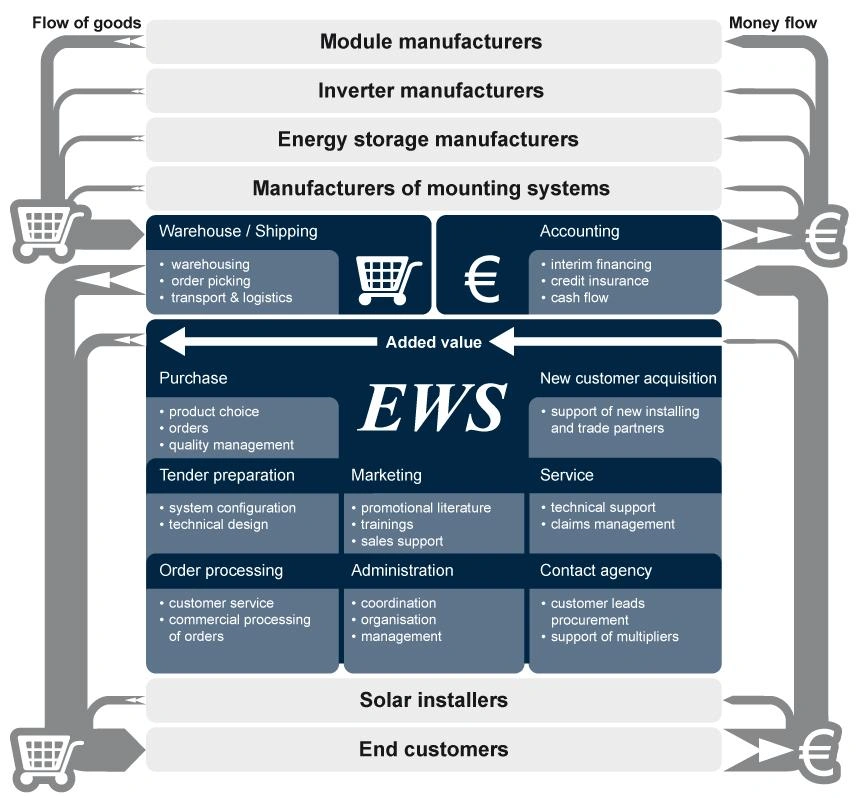
Which Solar Kit Sizes and Configurations Should Distributors Offer?
Building a profitable solar kit lineup starts with market segmentation, not just stacking different power ratings. Distributors need to map inventory to local installer pain points, regional customer spending habits, and working capital limits. A poorly curated portfolio ties up cash in slow-moving stock, while a tightly targeted range helps your sales team close orders faster and reduce after-sales friction.
Rather than creating dozens of pre-set capacity bundles, group your offerings around installer and end-user use cases. Each bundle should come with clear sales boundaries, so your team knows when to push ready-to-ship kits and when to push custom-engineered solutions.
| Kit Offer Type | Target Buyer Profile | Stock Strategy | Key Commercial & Supply Notes |
|---|---|---|---|
| Pre-packaged grid solar kits | Residential homeowners, small business owners with grid approval | High-volume, keep core wattages in stock | Focus on locally certified components. Warn installers that grid permission falls to the end customer. |
| Standalone off-grid ready kits | Remote cabins, telecom sites, agricultural loads, mobile power users | Low stock, build-to-order preferred | Longer lead times for battery packs. Load sizing errors are the top reason for site complaints. |
| Backup hybrid bundles | Homeowners and SMEs in areas with frequent blackouts or high electricity tariffs | Medium turnover, modular SKUs | Battery + inverter matching is non-negotiable; mismatched pairs create expensive site failures. |
| Custom commercial solar packages | Factories, multi-unit buildings, large industrial loads | No pre-built inventory, quote-on-demand | Tied to site audits, load analysis and local electrical contractor specifications. |
These bundles are commercial packaging frameworks, not fixed engineering specs. Even within one kit category, final bill of materials must adapt to site conditions, local codes, and the buyer's budget targets.
Pre-Shipment Compatibility Checks to Reduce Field Failures
Installers often rely on distributors to vet component interoperability before delivery. Before releasing any kit order, your team needs to validate the whole power chain. You can review our core solar architecture guide to share foundational system knowledge with your sales and installer partners. This reference material explains fundamental component workflows for technical training.
Do not assume cross-brand compatibility by default. Confirm if battery integration requires a dedicated hybrid inverter platform, separate battery converter, or external balance-of-system hardware. Double-check communication protocols, operating voltage windows, protection ratings, and system control logic. Skipping these checks leads to failed commissioning, costly returns and damaged distributor reputation.
Which Specifications Matter Most When Comparing Wholesale Solar Kits?
Product descriptions help distributors identify potential suppliers, but purchasing decisions should be based on model-level documentation and clearly defined supply terms. Buyers should verify product specifications, certification records, warranty conditions, availability, and compatibility before confirming an order.
PV Modules: Verify Models and Certifications
Distributors should confirm:
- Model and rated power: Ensure the quoted models, power options, and quantities match the purchase order.
- Batch consistency: Clarify how suppliers manage product revisions and maintain consistency across repeat orders.
- Certifications and warranties: Request applicable documentation and verify warranty coverage and claim procedures.
Solar Inverters: Confirm Availability and Compatibility
Before purchasing, distributors should check:
- Model availability: Confirm stock or production lead times and the supplier's ability to support repeat orders.
- Compatibility documentation: Verify supported batteries and other relevant components using manufacturer documentation.
- Substitution approval: Require prior approval for alternative models and confirm that replacements meet the agreed requirements.
Battery Options: Check Compatibility and After-Sales Support
Battery procurement should focus on:
- Product availability: Confirm the available battery series, models, and capacity options.
- Compatibility records: Verify compatibility with the intended inverter models and required communication protocols.
- Warranty procedures: Clarify claim requirements, replacement arrangements, and responsibility for return shipping where applicable.
Mounting and Supporting Equipment: Confirm Package Inclusions
To avoid incomplete deliveries and unexpected costs, distributors should verify:
- Package scope: Identify included and excluded mounting structures, cables, connectors, protection devices, and accessories.
- Item identification: Confirm accessory SKUs, quantities, and packing lists against the purchase order.
- Delivery responsibility: Establish procedures for reporting missing, incorrect, or damaged items and arranging replacements.
Supplier Specification Comparison Table
Use the following template to compare quotations for equivalent wholesale solar kits.
| Specification | Supplier A (Sunpal) | Supplier B | What distributors should verify |
|---|---|---|---|
| PV module model and quantity | 18 × Sunpal N-TOPCon 580W | 18 × P-type 550W | Rated power, electrical characteristics, and quantities |
| Inverter model | Sunpal 10kW Hybrid Inverter | Generic 10kW Hybrid Inverter | Output rating, input limits, and operating mode |
| Battery model and usable capacity | Sunpal 48V 10kWh LiFePO4 | 48V 9.6kWh LiFePO4 | Capacity, power, compatibility, and warranty |
| Mounting and accessories | Ground mount rack, DC/AC cables, breakers, monitoring module | Aluminum roof rack, basic DC cables only | Included items, exclusions, and installation suitability |
| Certifications and documentation | CE, IEC, UL, ISO, full test reports | CE only, limited datasheet | Applicable market requirements and valid documentation |
| Warranty and technical support | 25-year PV module, 10-year inverter & battery; local technical support | 12-year PV, 5-year inverter/battery; email-only support | Coverage, claim process, and support responsibilities |
| Pricing and order terms | EXW, MOQ 1 set, 25-day lead time | EXW, MOQ 5 sets, 35-day lead time | Quantity basis, customization costs, and delivery terms |
After completing the comparison, distributors should resolve any differences in package contents, technical documentation, warranty responsibilities, or delivery terms before ranking suppliers by price. A lower quotation may not represent better value if essential accessories, support services, or delivery costs are excluded.
What Are the Common Mistakes in Wholesale Solar Kit Procurement?
Wholesale solar kit procurement involves more than selecting products at competitive prices. Distributors also need to manage inventory exposure, order conditions, product consistency, and future purchasing requirements. The following mistakes can create avoidable costs and operational challenges.
Choosing suppliers based on unit price alone. A lower quotation may reflect a different package scope, excluded accessories, or less comprehensive support. Comparing prices without accounting for these differences can lead to misleading purchasing decisions.
Overstocking without validating customer demand. Ordering excessive quantities or too many product variations before confirming market demand can tie up working capital and increase the risk of slow-moving inventory. Product selection should reflect actual customer segments and sales patterns.
Overlooking MOQ and commercial terms. Minimum order quantities (MOQs), production lead times, payment conditions, and shipping arrangements affect purchasing budgets and inventory planning. Orders that do not align with expected demand can increase financial and operational pressure.
Accepting unapproved product substitutions. Changes to PV modules, inverters, batteries, or accessories can create inconsistencies across product listings and customer orders. Uncontrolled substitutions may also complicate compatibility verification and future replenishment.
Confirming OEM requirements too late. Private labeling, customized packaging, product labels, and documentation can affect costs, minimum quantities, and production schedules. Late decisions may delay order fulfillment or require additional revisions.
Failing to standardize repeat orders. Without consistent product specifications and clear change-control procedures, subsequent shipments may differ from previously approved configurations. This can complicate inventory management, quotation preparation, and customer expectations.
Avoiding these mistakes requires a consistent procurement process that connects product selection with market demand, supplier evaluation, order conditions, and long-term inventory planning.
What Should Distributors Confirm Before Ordering?
Before confirming a wholesale order, distributors should verify the product specifications, supplier commitments, and commercial conditions that will govern delivery and future replenishment.
Wholesale Solar Kit Buyer Checklist
- Supplier documentation: Obtain official datasheets, applicable certificates, warranty terms, and relevant product records.
- Product and package scope: Confirm model numbers, quantities, the bill of materials, and all included or excluded items.
- Supplier availability: Verify stock status, production capacity, lead times, and the availability of products for repeat orders.
- MOQ and pricing: Confirm minimum order quantities, price breaks, quotation validity, customization costs, and payment terms.
- Delivery arrangements: Agree on shipping terms, packaging requirements, delivery schedules, and responsibility for freight or other applicable charges.
- Product substitutions: Document the approval process for model changes and require updated specifications before accepting alternatives.
- OEM customization: Confirm branding, labels, packaging, documentation, quality requirements, and any additional costs or lead times.
- Quality and after-sales support: Clarify inspection procedures, nonconforming-product handling, warranty claims, and replacement responsibilities.
- Repeat-order management: Maintain approved specifications and written records of product revisions, pricing changes, and replenishment conditions.
For distributors managing multiple product configurations, maintain a separate specification sheet for each kit. This helps standardize product listings, quotations, order confirmations, and repeat purchases while reducing the risk of unapproved changes.
How to Evaluate a Wholesale Solar System Kit Supplier
Choosing a wholesale solar system kit supplier requires more than comparing quotations. Distributors should evaluate whether a supplier can maintain product availability, provide reliable documentation, meet delivery commitments, support customization, and handle after-sales issues consistently.
Use the following scorecard to compare potential suppliers against the same criteria.
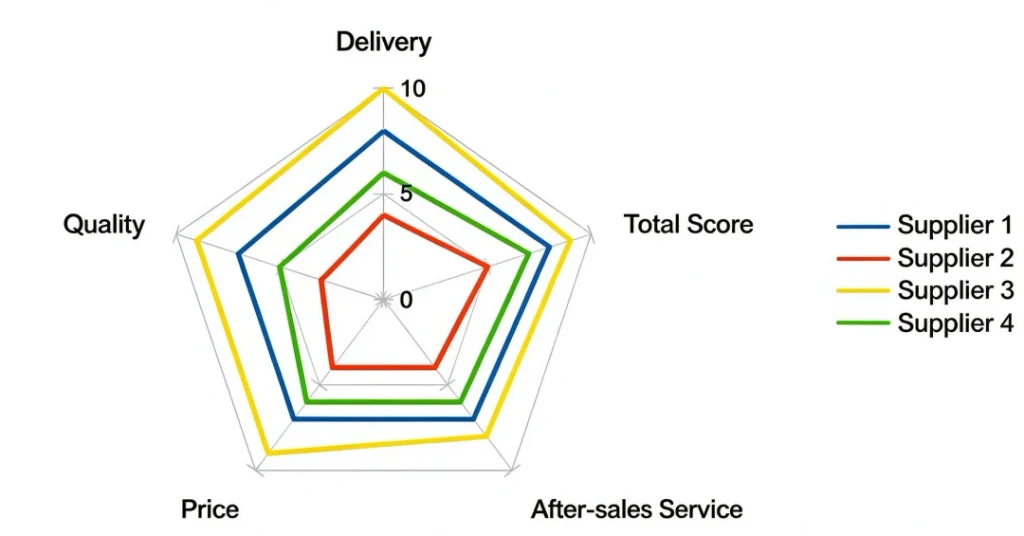
Wholesale Solar Supplier Evaluation Scorecard
| Evaluation Criteria | What Distributors Should Assess | Suggested Weight |
|---|---|---|
| Product Availability and Supply Stability | Product range, production capacity, stock visibility, and support for repeat orders | 25% |
| Technical Documentation | Availability and completeness of official datasheets, applicable certifications, and product manuals | 20% |
| Delivery Reliability | Lead-time transparency, shipment coordination, packaging quality, and communication about delays | 20% |
| OEM and Customization Capability | Private labeling, customized packaging, product configuration options, and flexibility for bulk orders | 15% |
| After-Sales Support | Technical assistance, warranty claim handling, replacement procedures, and communication responsiveness | 20% |
| Total | 100% |
The weights are suggested starting points and can be adjusted according to your business model, target market, and purchasing priorities.
Frequently Asked Questions
What Are the Benefits of Buying Wholesale Solar System Kits?
Wholesale solar kits can simplify procurement by grouping products into predefined packages, making it easier for distributors to prepare quotations, manage inventory, and fulfill repeat orders. The actual benefits depend on package contents, supplier reliability, and purchasing terms.
How Should Distributors Choose a Wholesale Solar Kit Supplier?
Evaluate suppliers based on product documentation, supply consistency, minimum order quantities, pricing transparency, delivery performance, warranty support, and their ability to accommodate future orders. OEM buyers should also assess customization capabilities and quality-control procedures.
What Is the Typical MOQ for Wholesale Solar Kits?
Minimum order quantities vary by supplier, product configuration, inventory availability, and customization requirements. Confirm the MOQ for each package and ask whether different configurations can be combined within a single order.
What Should Buyers Confirm About Lead Times and Delivery?
Confirm whether products are in stock or require production, the expected dispatch schedule, shipping terms, packaging arrangements, and responsibility for additional charges. For repeat orders, clarify how suppliers communicate delays or changes in availability.
Can Wholesale Solar Kits Be Customized for OEM Buyers?
Some suppliers offer private labeling, customized packaging, product documentation, or configuration options. Availability, minimum quantities, costs, and lead times vary, so buyers should confirm requirements and approve samples or artwork where applicable before production.
Conclusion
Successful wholesale solar kit procurement depends on matching products to customer demand, verifying supplier documentation, and establishing clear purchasing terms. Distributors should prioritize a well-defined product portfolio, compatible equipment, transparent package contents, reliable delivery arrangements, and consistent processes for repeat orders.
Working with a suitable supply partner can also help distributors evaluate product options and plan future purchasing requirements. Buyers can explore SUNPAL PV modules, solar inverters, and battery storage solutions when developing their product portfolios.
For distributors planning bulk purchases or OEM projects, the next step is to define the required product configurations, estimated order quantities, target market, and customization needs. Contact SUNPAL to discuss wholesale sourcing requirements, product options, and potential OEM cooperation for your business.